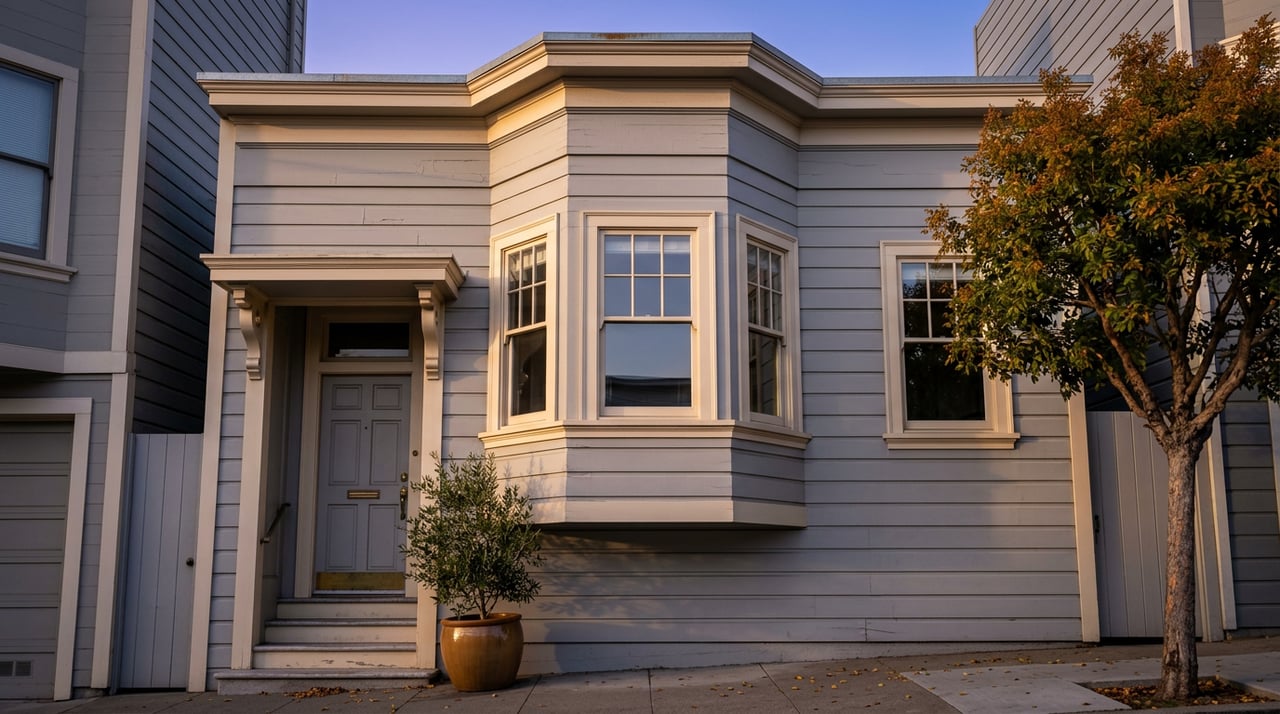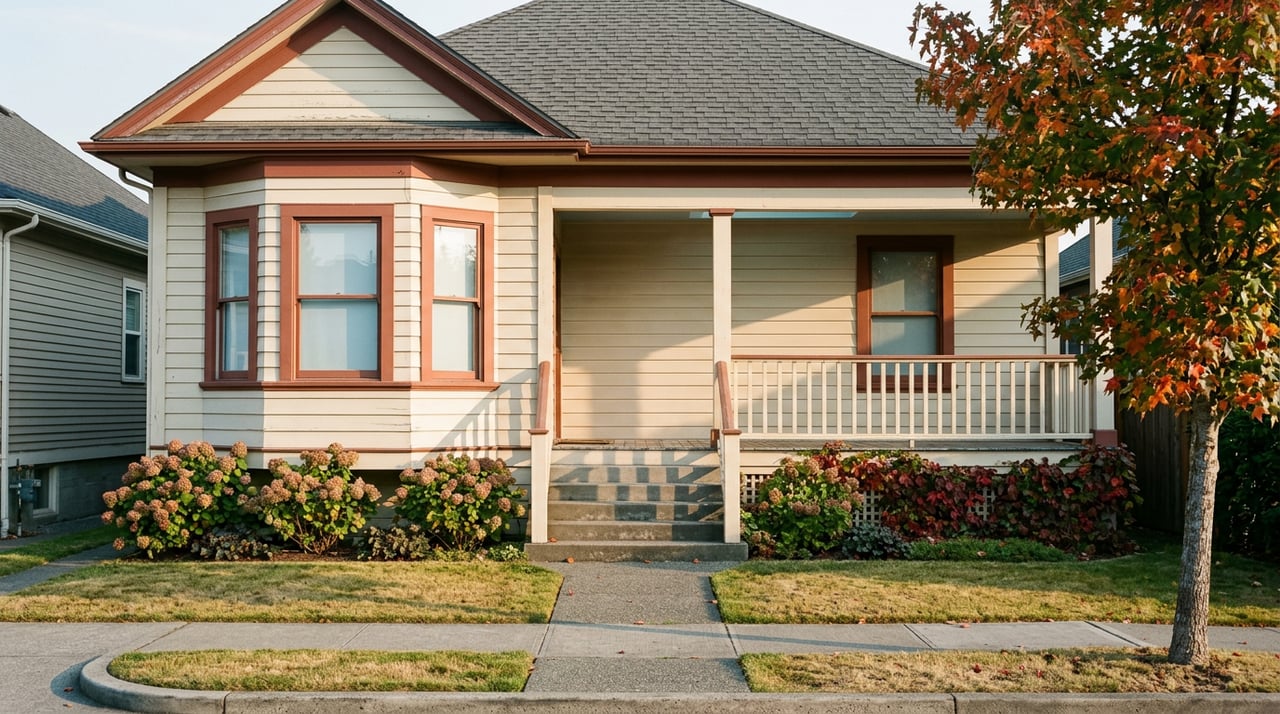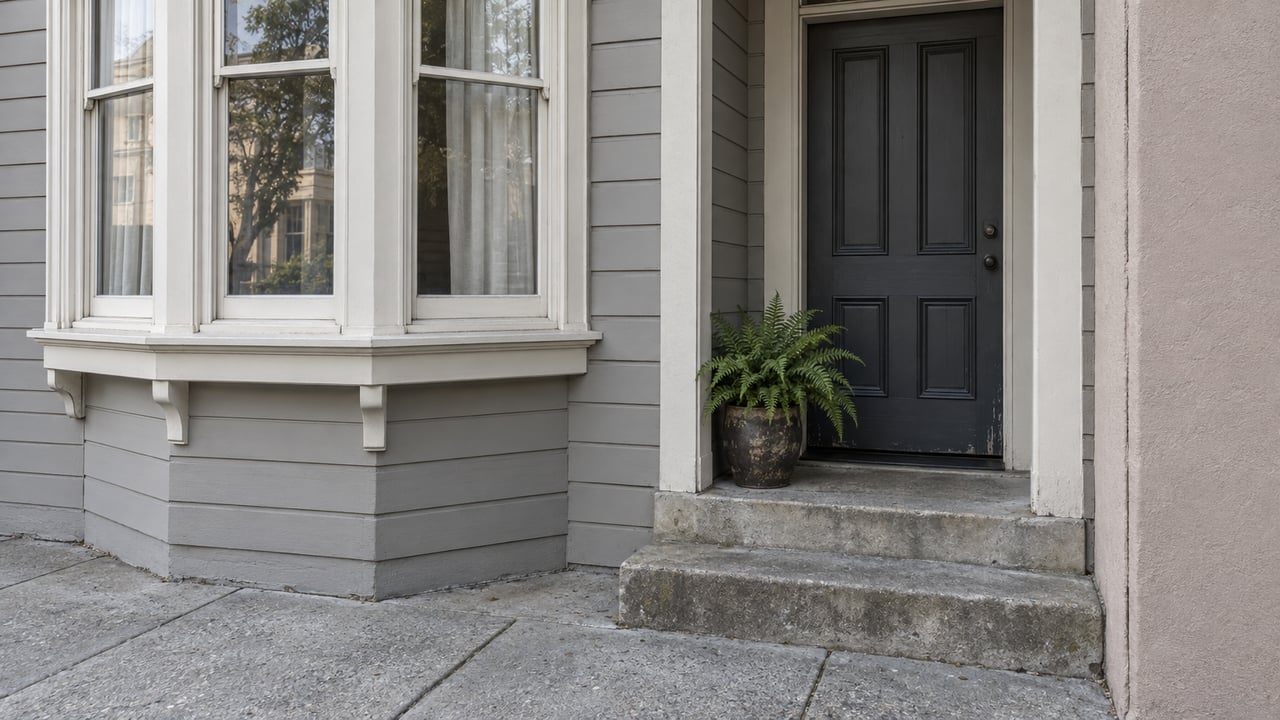
"Cool is not the first adjective that comes to mind when locals talk about this place."
That's Heather World, president of the Glen Park Association, describing the reaction around her own kitchen table after Time Out named Glen Park one of the coolest neighborhoods on the planet. The ranking put this small village at No. 35 worldwide, a top-five spot in the country, and the single coolest neighborhood in California, according to SFGATE's reporting on the list. Only a handful of other American neighborhoods made the cut at all: Avondale in Chicago, Red Hook in Brooklyn, Clarksville in Austin, Little River in Miami.
If you live here, you already know the punchline. Nothing about the actual footprint of the village changed to earn that ranking. What changed is that people outside the 94131 zip code started paying attention to a place that was already running the way it's run for years.
The List Landed. The Storefronts Didn't Move.
Walk Chenery and Diamond on any given Tuesday and the roster looks almost exactly like it did before Time Out noticed. Gus' Market is still the anchor grocery inside the 2006 infill building that also houses the library branch and six units of housing. The BART station, poured in raw concrete decades ago, still funnels commuters down the hill every morning. Perch still sells candles and cookbooks and greeting cards but pointedly no books, because there's an independent bookstore directly across the street and Perch doesn't want to compete for those sales. It doesn't carry pet products either, sending customers a few doors down to Critter Fritters instead.
That kind of quiet division of labor between neighboring small businesses is the texture Time Out's editors were responding to. It's also exactly the kind of thing that doesn't show up on a list. The list just says "cool." The mechanism behind it is a handful of shop owners who have apparently agreed, without much fuss, not to step on each other's inventory.
One Storefront Actually Did Change
The single real addition to the commercial strip has a name: La Cigale, a French restaurant that opened at 679 Chenery Street in the space that used to hold Modern Past. It seats 14 people at a single massive hexagonal wooden counter, walk-ins only, with a prix fixe menu that includes tax and tip in the sticker price. The owners, Joseph and Daisy Magidow, told the Glen Park Association they weren't chasing a destination crowd. Magidow put it directly: they envisioned a neighborhood restaurant first, not a reason for outsiders to drive in.
He also had a specific answer for why the buildout moved fast in a city famous for permitting delays. The Chenery Street parcel sits in a zone designated for commercial and transit use, which meant construction and licensing cleared with less friction than almost anywhere else in San Francisco. That zoning detail matters more than it sounds. San Francisco's own general plan for the neighborhood states plainly that Glen Park is largely built out and won't see major new growth. The document names exactly two sites where future development could still happen: the northwest corner of Diamond and Bosworth, and the BART parking lot itself. Everything else in the commercial core is already spoken for.
That's the actual mechanism behind why a global "coolest neighborhood" moment produced one restaurant instead of a wave of new construction. There's almost nowhere left to put anything new. The village isn't resisting change. It's mostly out of square footage.
The Calendar Filled In Around the Fixed Points
What did move this fall is the schedule, not the buildings. A short list of what's actually on the ground right now:
- The Glen Park Night Market returned Saturday, September 19, from 3 to 8 p.m. on Kern Street between Diamond and Brompton, with live music, DJs, and local makers set up along the closed block.
- Crescendo Music Studios recently opened and is now taking students on its fall schedule.
- The Glen Park Association holds its Fall Quarterly Meeting on October 20 at Cuppa, 2810 Diamond Street, with free froyo from 6:15 to 6:45 before the meeting starts.
- The Tietz-Beneke House on Chenery Street passed its first reading toward landmark designation this summer, a preservation move rather than a new build.
None of that required new square footage. A street closure, a studio lease, a meeting agenda, a landmark filing. The village absorbed a global spotlight by rearranging its calendar, not its footprint.
The Film Crew Came and Left
The most visible marker of outside attention happened before the Time Out list even ran. Olivia Wilde chose Glen Park in spring 2025 as a filming location for her upcoming movie "The Invite," which she stars in alongside Seth Rogen. For a few days, the village had trucks and crew members on streets that normally see dog walkers heading toward Glen Canyon.
A film shoot is attention without infrastructure. It uses the streets as they already exist and leaves without adding a single square foot to the neighborhood. In that sense it's the cleanest example of the pattern running through all of this: the world discovered Glen Park's canyon views, its Islais Creek trail, its brutalist station, and its 14-seat French counter, and none of those things had to grow to accommodate the discovery.
What the Canyon Still Offers, Unchanged
Glen Canyon Park remains the other half of daily life here, roughly 70 acres of wilderness that starts a few blocks from the commercial strip and climbs toward Billy Goat Hill, where the skyline opens up over the rest of the city. Islais Creek still runs above ground through part of the canyon, one of only two creeks left flowing openly anywhere in San Francisco, the other being Lobos Creek out near the Presidio. That's not a detail Time Out's ranking needed to mention for it to be true every single day someone walks the greenbelt down to the canyon floor.
The Friends of Glen Canyon still run habitat restoration work parties every third Saturday of the month, and the neighborhood's own greenway cleanup happens the first Saturday, weather and holidays permitting. Those recurring, unglamorous maintenance shifts are arguably a better measure of what "coolest neighborhood" actually means here than the ranking itself. The canyon didn't get cooler this year. People kept showing up to pull invasive plants out of it, the same as they did the year before the list existed.
The Attention Arrived. The Village Didn't Expand to Meet It.
Put the pieces next to each other and the shape of the year becomes clear. A global magazine called Glen Park one of the coolest places on Earth. A film crew shot a major movie on its streets. A French restaurant opened at 679 Chenery with 14 seats and a set menu. A night market closed one block for five hours in September. A quarterly civic meeting got a bowl of free froyo attached to it.
That's the whole list of what actually happened on the ground. The city's own planning document for this neighborhood predicts, correctly, that it will keep looking almost exactly like this for years to come, because there are only two parcels left where anything new could even go. The coolest neighborhood in California, by one magazine's count, added one restaurant this year. That's not a contradiction. It's closer to the reason the ranking landed here in the first place.
If you've been watching what's changed on your own block in Glen Park this year, or you're weighing what a moment like this means for a property you own here, Now Homes has been tracking San Francisco's neighborhood-level shifts for decades. Request a free home valuation and we'll walk you through what the numbers on your specific street actually say.