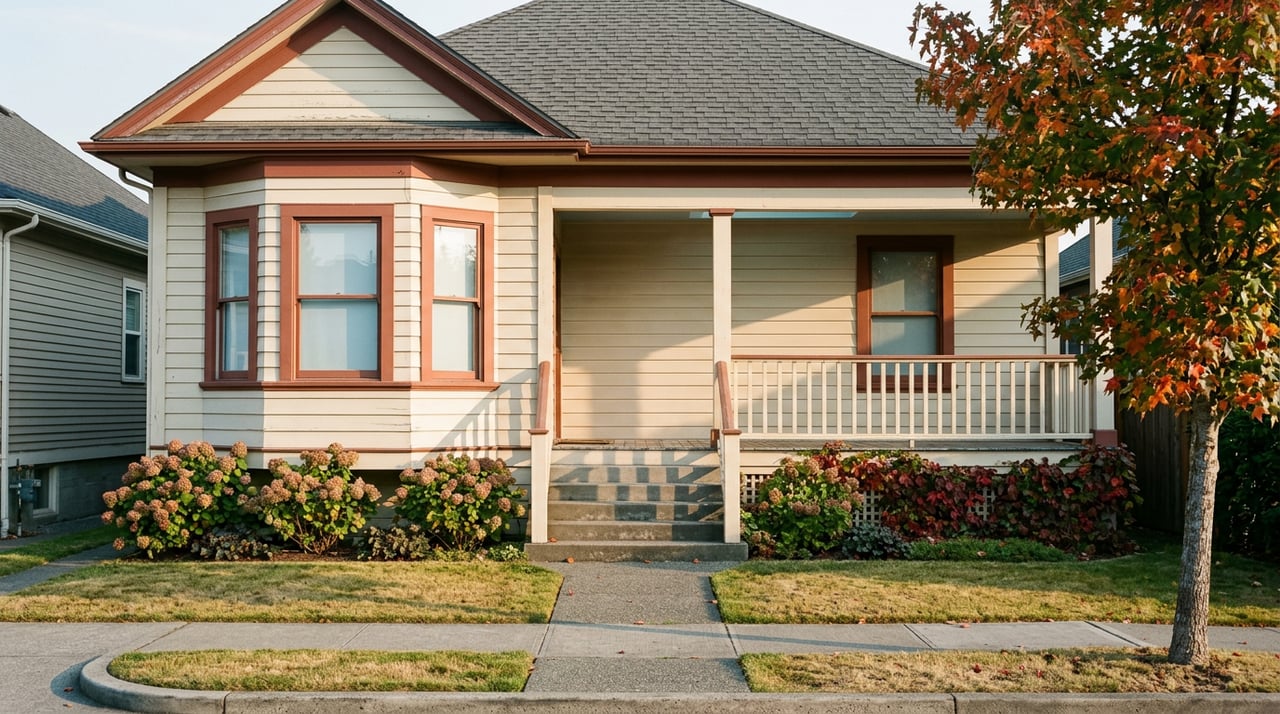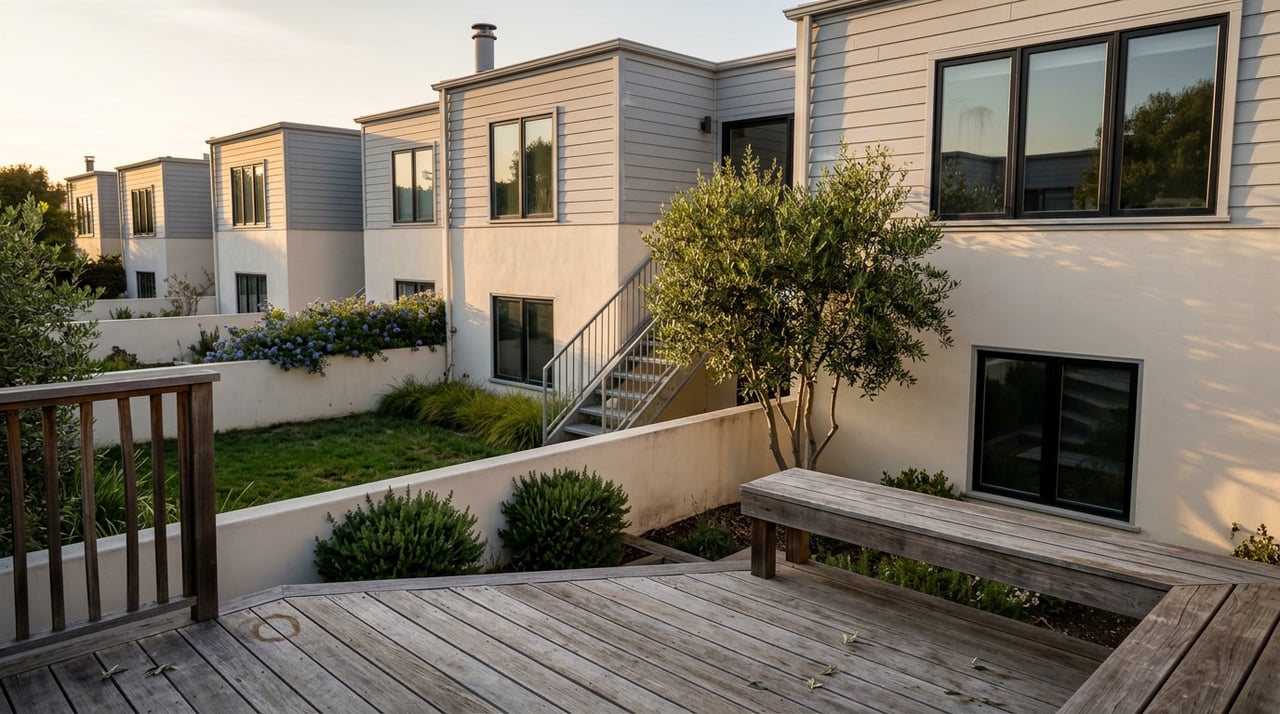
Thinking about living in Marin but worried about the monthly payment? House hacking can help you cut costs while you build equity. By living in one unit and renting another, you can use local rents to offset your mortgage, taxes, and insurance without sacrificing the Marin lifestyle you want. In this guide, you will learn how to use duplexes and ADUs in San Rafael and across Marin, what local rules to expect, how to model costs and returns, and practical steps to get started. Let’s dive in.
Why house hack in Marin
Marin is one of the higher-cost housing markets in the Bay Area. That also means rents are strong, which can make a house hack pencil out when planned well. If you buy a duplex or add an ADU, rental income can meaningfully offset your carrying costs.
Your goals are simple. You want to reduce your net housing cost, live in a neighborhood you love, and build long-term equity. With the right plan, you can do all three while keeping future options open, such as renting both units or reconfiguring the property later.
Two main paths: duplexes and ADUs
In Marin, most owner-occupants use one of these strategies:
- Buy a duplex or 2–4 unit property and live in one unit.
- Add an ADU or a Junior ADU to a single-family home.
Both paths can work. Your choice usually depends on where you want to live, your budget, and your timeline.
Duplex house hacking in San Rafael
A duplex gives you immediate rental income and clear unit separation. Many buyers like that there is no construction period before the second unit earns rent.
Focus your search on legal 2–4 unit properties and verify the use, unit separation, and any permit history. In San Rafael, confirm zoning and allowed uses with the local Planning Department. Condition matters too. Look closely at separate systems, soundproofing, fire separation, and egress.
Financing 2–4 unit properties
You have several owner-occupied loan options for duplexes and small multifamily:
- FHA financing allows 2–4 unit purchases with a typical minimum 3.5 percent down payment for qualified buyers. Review program basics through the U.S. Department of Housing and Urban Development.
- Conventional loans through Fannie Mae and Freddie Mac can finance 2–4 unit owner-occupied properties with standard underwriting and down payment rules.
- VA loans may be used by eligible veterans on owner-occupied multi-unit properties.
Lenders typically give credit for a portion of rental income when underwriting 2–4 unit purchases. Ask your lender exactly how they will treat the expected rent.
ADUs and JADUs in Marin
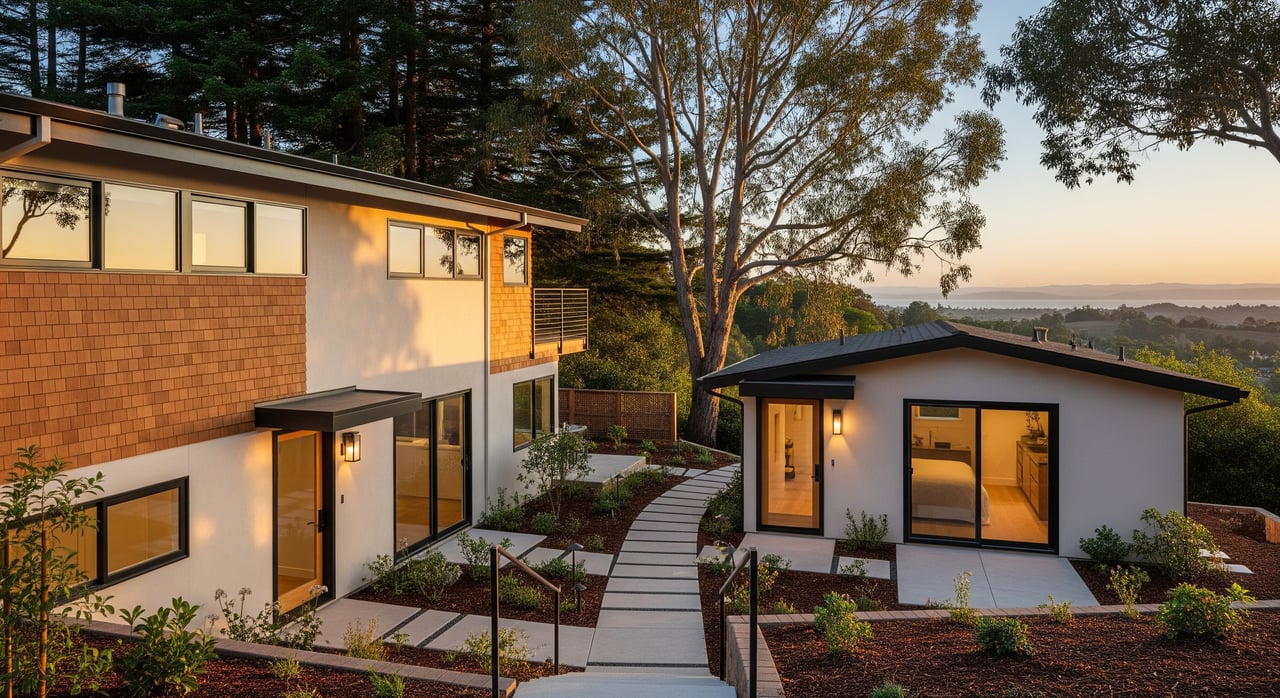
ADUs are popular because California law streamlines approvals and limits many local barriers. A detached ADU can provide strong rent and privacy, while an attached ADU or JADU can be faster and cheaper to complete.
State law requires ministerial review for most ADUs and limits certain parking requirements and subjective design hurdles. You can explore statewide guidance through the California Department of Housing and Community Development.
A Junior ADU is typically created within the existing home footprint. It often costs less than a ground-up detached ADU but still needs proper egress, sound separation, and utility planning. Converting interior space is often the fastest path to income if your site allows it.
What to check in San Rafael
Local rules still matter. The City of San Rafael applies objective standards, and some neighborhoods may have design review or other overlays. Start by reviewing the city’s zoning map and ADU guidance with the City of San Rafael Planning Department. In unincorporated areas, use Marin County Planning and Building for zoning, checklists, and permit procedures.
Common local constraints include wildfire mitigation requirements, hillside conditions, and whether you are on sewer or septic. For properties near creeks or the Bay, floodplain rules may apply and insurance needs can change.
Site feasibility: the Marin checklist
Before you buy or build, confirm the basics:
- Zoning and overlays: Verify your zoning district and any historic, design review, wildfire, hillside, or flood overlays with city or county planning.
- Sewer or septic: Determine if the property is on sewer. If septic, confirm capacity and upgrade requirements with the local health authority.
- Setbacks and buildable area: Measure realistic space for an ADU, including access, egress, and parking configuration.
- Utilities: Check electrical, gas, water capacity, and potential connection fees.
- HOA and CC&Rs: Review any private restrictions on additional units or rentals.
A quick pre-application meeting with planning can save months. Bring a simple sketch, note property slopes, and list your questions in order of importance.
Costs and timelines to expect
ADU costs vary widely in the Bay Area. Finished detached ADUs can range from the mid-hundreds to 500 to 600 plus dollars per square foot depending on site work, materials, and complexity. Simpler interior conversions and JADUs often cost less. Every project is unique, so get multiple local bids and request line-item estimates.
Beyond construction, budget for design fees, engineering, permits, impact and connection fees, and potential wildfire-hardening materials. Properties on slopes or in flood zones often need drainage, retaining walls, or elevation work that can add time and cost.
For timing, plan for several months to a year or more from feasibility to occupancy. Many projects run 12 to 18 months from initial study through final inspection. JADU conversions can be shorter. Factors that lengthen timelines include septic upgrades, complex site work, and design review.
Modeling your cash flow
Create a simple worksheet so you can compare a duplex purchase to an ADU build.
- Estimate gross rent for the second unit using conservative local comps.
- Subtract a vacancy allowance, potential property management, maintenance, and utilities you plan to cover.
- Add your incremental insurance premium and property taxes.
- Include mortgage principal and interest based on your chosen financing.
- Your result is estimated monthly net cash flow.
Remember non-financial returns too. Living where you want, housing stability, and long-term equity are part of the payoff.
Financing an ADU build
You have several ways to fund construction:
- Cash-out refinance or HELOC on existing equity.
- Construction-to-permanent loans or specialized ADU financing from select lenders.
- Occasional grants or low-interest programs offered by public agencies. Availability changes, so check Marin County and local housing departments for current options.
Underwriting for single-family homes with an ADU varies by lender. Some will give limited or no credit for the future ADU rent in the primary mortgage. Ask lenders how they treat projected ADU income, and compare terms.
Taxes, tenant rules, and insurance
If you rent a unit, you must report rental income and can generally deduct prorated mortgage interest, property taxes, repairs, and depreciation. If you later sell, owner-occupants may be eligible for the federal residence exclusion if they meet the tests. Rental use can affect the calculation, so consider a tax professional to map your plan.
California has statewide renter protections that limit certain rent increases and set eviction standards for many tenants. Some Marin jurisdictions may add local rules. If you consider short-term rentals, expect registration and possible transient occupancy tax requirements in many areas.
Insurance usually changes once you have a rental unit. Ask your carrier about landlord coverage or endorsements and be ready for potential premium increases in wildfire zones.
Common pitfalls in Marin and how to avoid them
- Wildfire zones: Plan for fire-hardening and defensible space from the start. Get early insurance quotes to confirm availability and cost.
- Septic capacity: If the property is not on sewer, a septic upgrade can add significant cost and time. Verify capacity before you design.
- Steep slopes and drainage: Budget for civil engineering, retaining walls, and stormwater controls if your site needs them.
- Design review and historic areas: Expect objective standards on massing and materials. A designer experienced in Marin can help you clear this efficiently.
- Parking and access: Even with limited parking requirements under state law, driveway and site access can constrain layout. Confirm early.
Step-by-step paths to start
If you want a duplex
- Get pre-approved for owner-occupied 2–4 unit financing with a lender experienced in this niche.
- Search for legal duplexes in your target neighborhoods. Verify zoning, use, and unit separation.
- Underwrite the deal with conservative rent comps and a modest vacancy allowance.
- During inspections, focus on separate systems, soundproofing, fire separation, and shared element liabilities.
- Plan tenant transitions or lease continuation at closing if units are occupied.
If you want to add an ADU or JADU
- Run a quick feasibility screen: zoning, setbacks, wildfire and flood maps, sewer vs septic, and any HOA rules.
- Hold a pre-application check-in with the city or county to confirm objective standards and likely fees.
- Engage a designer or architect familiar with Marin hazards and codes to develop a concept and a preliminary budget.
- Get multiple contractor bids with line-item costs for site work, utilities, and finishes.
- Submit for permits, plan for ministerial review timelines, and schedule construction with inspections.
When house hacking fits your goals
House hacking is not one-size-fits-all. It works best when you value location, want long-term equity growth, and are comfortable being a small-scale landlord. If you approach the process with good due diligence, conservative numbers, and a patient timeline, you can reduce your monthly cost and open a path to wealth-building in Marin.
If you are weighing a duplex purchase against an ADU build in San Rafael, a quick planning screen and a side-by-side cash flow model will bring the decision into focus. From there, you can align financing and start making progress.
Ready to map your house hack in Marin with local guidance and coordinated financing? Reach out to Now Homes for a friendly strategy session and next steps.
Helpful local resources
- Review statewide ADU rules and SB 9 context through the California Department of Housing and Community Development.
- For unincorporated areas, check zoning and ADU guidance at Marin County Planning and Building.
- In San Rafael, confirm zoning, design review, and permit procedures with the City of San Rafael Planning Department.
- Explore FHA program basics via the U.S. Department of Housing and Urban Development.
FAQs
What is house hacking in Marin and how does it work?
- House hacking means you live in one unit and rent another, often in a duplex or a home with an ADU, to offset your mortgage and build equity.
Are ADUs allowed in San Rafael and Marin County?
- Yes. California law streamlines ADUs with ministerial review and objective standards, and San Rafael and Marin County have local procedures that align with state requirements.
How much does it cost to build an ADU in Marin?
- Costs vary widely by site and scope. Bay Area projects often range from the mid-hundreds to 500 to 600 plus dollars per square foot, while simpler interior JADU conversions can cost less.
How long will an ADU permit and build take?
- Plan on months, not weeks. Many projects run 12 to 18 months from feasibility to occupancy, while straightforward interior conversions can be shorter.
What financing can I use for a duplex purchase?
- FHA, conventional, and VA loans all offer owner-occupied options for 2–4 units, with different down payment and underwriting standards.
Can lenders count ADU rent when I refinance my home?
- Treatment varies. Some lenders give limited or no credit for projected ADU rent in the primary mortgage, so ask how they will underwrite your scenario.
What should I check before I add an ADU on my lot?
- Verify zoning, overlays, sewer or septic capacity, setbacks, wildfire and flood risks, utility capacity, and any HOA or CC&R restrictions.
Are short-term rentals allowed in San Rafael?
- Rules vary by jurisdiction. Many areas require registration and may collect transient occupancy taxes, so confirm local regulations before listing.