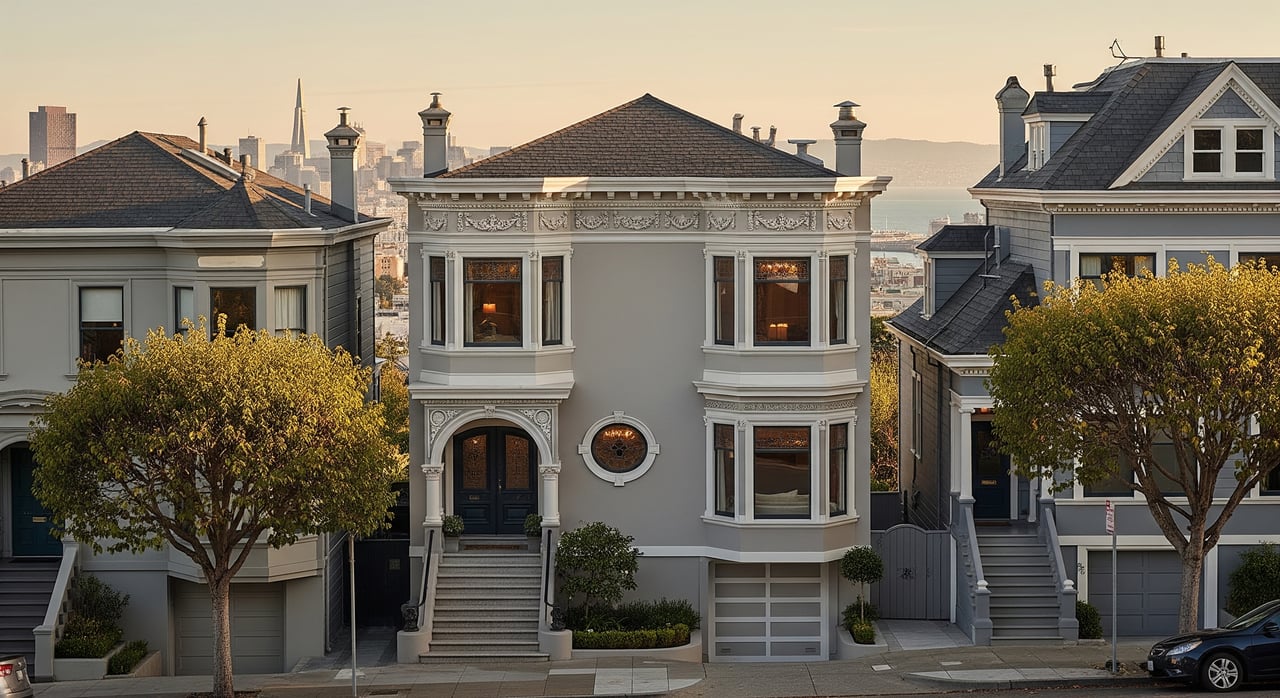
Ever dreamed of living behind a bay window with intricate trim and tall ceilings that make every room feel grand? San Francisco’s Victorian and Edwardian homes offer exactly that, plus a daily rhythm that blends charm with urban convenience. You might picture the Painted Ladies at Alamo Square, but the real story runs through many neighborhoods and touches everything from floor plans to microclimates. In this guide, you’ll learn what life actually feels like inside these classics, how to approach upgrades, and what to watch for during a purchase or sale. Let’s dive in.
What makes these homes special
San Francisco’s Victorian and Edwardian homes were largely built between the 1870s and around 1915. Victorian is a broad label that includes Italianate, Stick, and Queen Anne styles, while Edwardian refers to slightly later homes with simpler, cleaner lines. Together, they form a defining part of the city’s streetscape and identity.
You find iconic clusters across the city. Alamo Square is the most photographed, but you also see strong concentrations in Pacific Heights, Haight‑Ashbury, Noe Valley, the Castro, Cole Valley, Cow Hollow, and parts of the Richmond and Sunset. Many central neighborhoods have blocks with beautifully intact façades, while interiors often vary based on past updates or conversions.
If you plan exterior changes on a designated historic property, expect review and permits through San Francisco’s planning and historic preservation processes. Standards typically encourage retaining historic character when feasible, especially for street‑facing elements.
Floor plans and flow
Most homes sit on narrow lots, which shape the interior layout. You often get a front parlor or living room, a separate dining room in the middle, and a kitchen toward the rear. Bedrooms are typically upstairs, with storage or utility areas below. High ceilings, tall windows, bay windows, and detailed moldings create an airy, elegant feel even in compact footprints.
Many houses were later altered. Some single‑family homes became duplexes or triplexes, and others opened up interior walls to create a more modern flow between kitchen and living spaces. You still find plenty of homes with intact formal rooms, which are great for entertaining but feel different than an open‑concept plan.
Expect vertical living. Multiple flights of stairs are part of daily life, from the stoop to the upper bedrooms. If you want a family‑room‑plus‑kitchen setup, look for a home where walls are already opened or budget to renovate.
Light, views, and microclimates
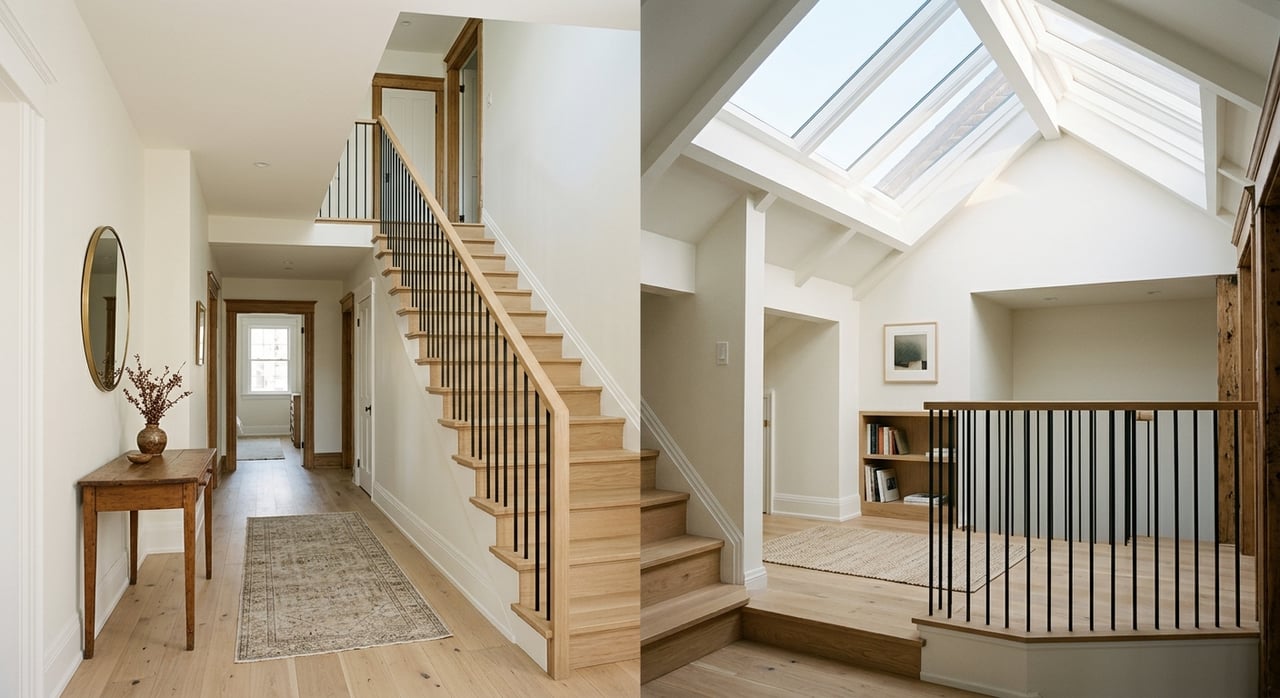
Bay windows and tall openings pull in generous daylight, especially at the front rooms. Deeper floor plans can have darker middle rooms, which is why you often see light wells, transoms, or skylights added during renovations. High ceilings can make rooms feel bright and spacious even when square footage is modest.
San Francisco’s microclimates matter. Western neighborhoods like the Sunset and Richmond tend to see more fog and slower morning light, while eastern and southern areas such as Noe Valley and Bernal Heights often get more sun. Orientation also matters. A south‑facing yard can feel very different from a north‑facing one, and the height of adjacent buildings can affect light.
If daytime light is a priority, visit at different hours and look for features that boost brightness, such as skylights or glass doors. Many owners strategically add these elements, often with permits when the home is in a historic district.
Storage and everyday function
Original plans offered limited built‑in closet space. People used wardrobes and armoires, which is why you frequently see creative storage solutions today. Common options include custom closets, built‑in cabinetry, under‑stair storage, and the use of attics or basements for seasonal items.
Kitchens were traditionally small and set near the rear. Most updated homes have expanded kitchens designed around modern cooking and gathering. Bathrooms often increase in number and functionality over time, since many homes originally had just one. Laundry commonly started in basements, though many remodels move it to upper floors for convenience.
Plumbing and electrical systems may have been updated in recent years, but not always. Ask about the age and type of systems, and review any available permit history to understand what has been done over time.
Comfort, heating, and energy use
Original heating systems relied on radiators or stoves. Today, you will see a range of upgrades. Ducted systems are possible but can be complex and costly in older framing. Many owners choose mini‑split heat pumps to add both heating and cooling with less disruption. These can be a practical way to get year‑round comfort in homes that were not built with central air.
Energy efficiency varies. Single‑pane sash windows and limited insulation are common in original conditions. Owners often add insulation in walls and attics, weatherstripping, and storm windows. Some pursue sympathetic double‑glazing options that preserve the look of original windows while improving comfort. Simple steps like sealing gaps and adding interior storms can go a long way.
Maintenance and budgeting
Wood siding, trim, and decorative details are part of the charm, and they also require care. Plan for exterior painting on a regular cycle, often every 5 to 10 years depending on exposure. Gutters, downspouts, and roofs should be kept in good shape to prevent water intrusion, which is critical for long‑term preservation.
Windows, porch posts, stairs, and ornate trim deserve routine inspection. Restoring historic windows and millwork can be more expensive than standard replacements, but it often preserves character and may be preferred for designated properties. Storm windows can be a cost‑effective alternative that boosts performance without heavy alteration.
Foundations may need attention. Older homes sometimes benefit from anchoring, leveling, or seismic upgrades that improve earthquake resilience. Many properties have already been retrofitted, and others may need work. Plan for general inspections and specialized evaluations as needed.
Insurance costs can be higher for older homes depending on age and materials. In California, many owners also consider earthquake insurance. When buying, schedule a full set of inspections, including a general home inspection, pest or dry rot inspection, and permit history review.
Modernizing with character
Most buyers want the best of both worlds. You can preserve façades, staircases, moldings, and fireplaces while upgrading the essentials behind the scenes. Common projects include expanding kitchens, adding bathrooms, updating electrical panels and plumbing, and improving insulation and windows.
If you aim to open up the plan, it is often possible with proper structural design and permits. Many owners selectively remove walls between the kitchen and dining room to create better flow while keeping key historic details. Accessibility upgrades can be done in some homes, but full single‑level living can be challenging due to the inherent vertical layout.
Exterior changes, window replacements on designated structures, and structural work typically require permits and may trigger historic design review. Interior updates often have fewer restrictions unless the home has specific interior landmark protections. Many owners also explore accessory units in attics or basements, subject to state and local rules.
Where these homes fit your lifestyle
Victorian and Edwardian homes fit best if you love architectural detail, high ceilings, and established city neighborhoods. You will appreciate the craftsmanship and the experience of living in a place with real history. If you are comfortable with stairs and motivated to maintain or upgrade systems over time, these homes can be incredibly rewarding.
They may be less suitable if you need single‑level living, require wide open floor plans without renovation, or want minimal ongoing maintenance. That said, many buyers find a strong middle ground by choosing a home that already has key updates and the layout changes they want.
Touring and due diligence checklist
Use this quick list to guide your search and conversations with your agent and inspector:
- Visit at different times of day to evaluate natural light and microclimate conditions.
- Ask about permit history, electrical and plumbing updates, heating and cooling type, and window type.
- Check whether the home is in a historic district or has landmark status if you plan exterior work.
- Confirm storage solutions and potential for adding closets or an accessory unit if that is a priority.
- Budget for recurring exterior maintenance and possible system upgrades.
- Arrange thorough inspections, including general, pest or dry rot, and any specialist evaluations your inspector recommends.
Buying or selling one of these homes
If you are buying, prioritize layout, light, and systems. Decide where you can live with period features as is, and where you need modern function right away. Identify must‑have updates versus projects you can plan over time. Integrated financing can help you compete and move quickly when the right home appears.
If you are selling, presentation matters. High‑quality staging, thoughtful photography, and clear messaging around what has been updated can lift buyer confidence and your final price. Buyers often want both character and convenience, so highlight original features while calling out smart upgrades.
If you are managing a probate or estate sale, preparation and process control are essential. Coordinating inspections, disclosures, and presentation steps can protect value and simplify timelines, especially if you are out of the area.
At Now Homes, our family‑led team blends decades of San Francisco experience with integrated services that reduce friction. You get full‑service representation, in‑house marketing and staging, coordinated mortgage brokerage, and a steady hand through complex situations like estate sales. If you are considering a Victorian or Edwardian move, we are here to help you weigh lifestyle, upgrades, and market strategy with clarity.
Ready to talk next steps for your home or search? Connect with the family team at Now Homes for a friendly, focused consultation.
FAQs
Are San Francisco Victorian and Edwardian homes energy efficient?
- In original condition, not usually. Many owners improve efficiency with insulation, weatherstripping, storm windows, and modern heating or mini‑split heat pumps.
Do San Francisco Victorian and Edwardian houses usually have parking?
- Many do not have garages, especially in central neighborhoods. Availability depends on the lot, the street, and whether a garage was added during past renovations.
How safe are these historic homes in earthquakes?
- Safety improves with seismic retrofits. Some properties have been upgraded while others may need work. Plan for inspections and budget for improvements if needed.
Can I create an open‑concept layout in a Victorian or Edwardian?
- Often yes, but removing walls can require structural engineering and permits. Many owners open kitchen and dining areas while preserving key historic details.
How common are multi‑unit conversions in San Francisco’s older homes?
- Very common. Many properties are duplexes or triplexes, and some attics or basements have been converted to separate units with permits.
What maintenance should I expect with a wood‑clad historic exterior?
- Plan for periodic painting every 5 to 10 years, plus routine checks of trim, windows, gutters, and roofing to prevent water intrusion.
What should I look for during a showing of a Victorian or Edwardian home?
- Check light at different times, ask about systems and permit history, assess storage solutions, and note any signs of settlement or moisture in basements or crawl spaces.