Trying to decide between San Francisco and Marin County for your next move? It is a common Bay Area question, and the answer is not always about price alone. In many cases, the bigger difference comes down to how you want to live day to day, from home type and commute patterns to density and access to open space. This guide will help you compare the two so you can move forward with more clarity. Let’s dive in.
San Francisco vs Marin at a Glance
San Francisco and Marin County are both expensive housing markets, but they offer very different living environments. Based on U.S. Census data, San Francisco is much denser and has a far lower owner-occupancy rate, while Marin is lower-density and much more owner-occupied. That usually points to a more urban, attached-home market in San Francisco and a more space-oriented, detached-home market in Marin.
If you are choosing between the two, it helps to think beyond headline prices. Your daily routine, housing preferences, and commute tolerance may matter just as much as your budget.
Compare Housing Costs
Housing costs are high in both markets. According to U.S. Census QuickFacts for San Francisco, the median owner-occupied housing value in San Francisco is $1,394,500.
In Marin County QuickFacts, the median owner-occupied housing value is $1,507,300. That puts Marin modestly higher by about $112,800, or roughly 8%.
Rent is also high in both places. Census data show median gross rent at $2,476 in San Francisco and $2,668 in Marin. Median monthly owner costs with a mortgage are reported at more than $4,000 in both areas, so affordability often comes down to the kind of home you want and the monthly cost you are comfortable carrying.
What the numbers mean for you
If you are expecting Marin to be the budget alternative, the data do not really support that. Marin may offer more space and a different lifestyle, but not necessarily a lower cost of entry.
If you are comparing San Francisco and Marin, a more useful question is this: what housing product fits your life best for the money? In San Francisco, that might mean a condo, TIC, or attached home. In Marin, it may more often mean a detached home with more separation and lot space.
Think About Home Type and Density
One of the clearest differences between these markets is density. The research shows San Francisco is about 37 times as dense as Marin County, which strongly shapes the housing stock and the overall feel of each place.
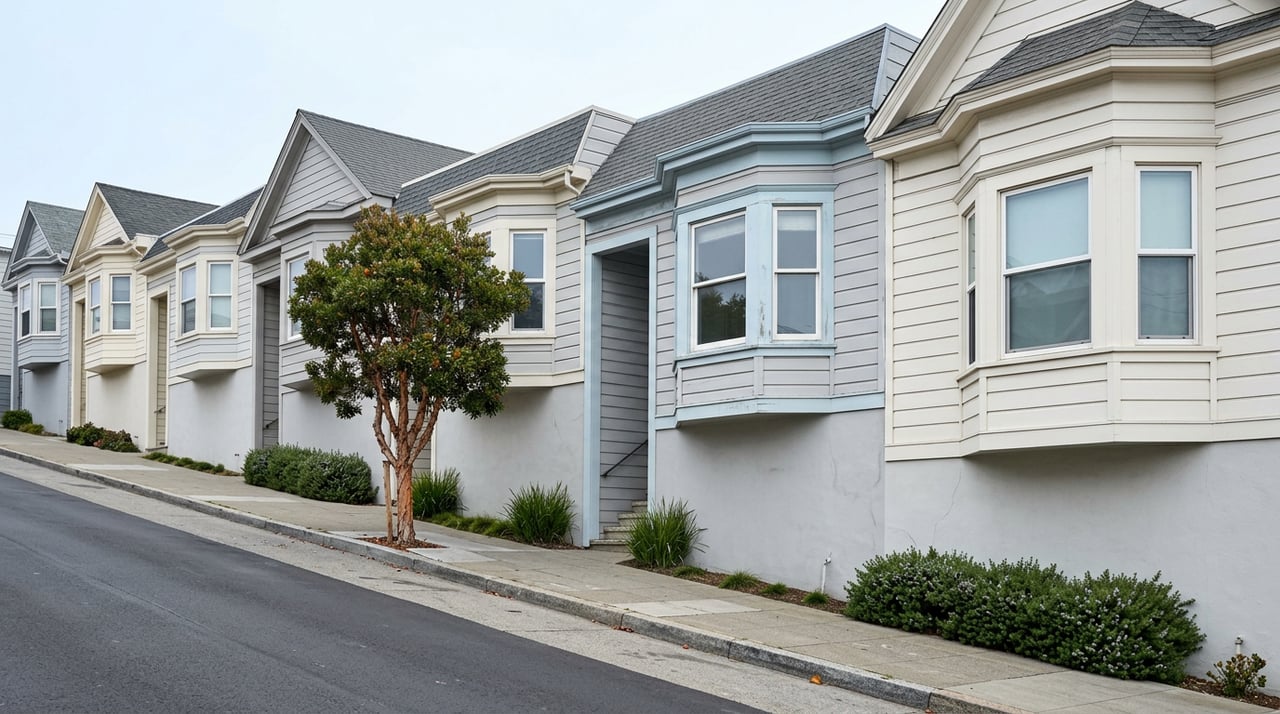
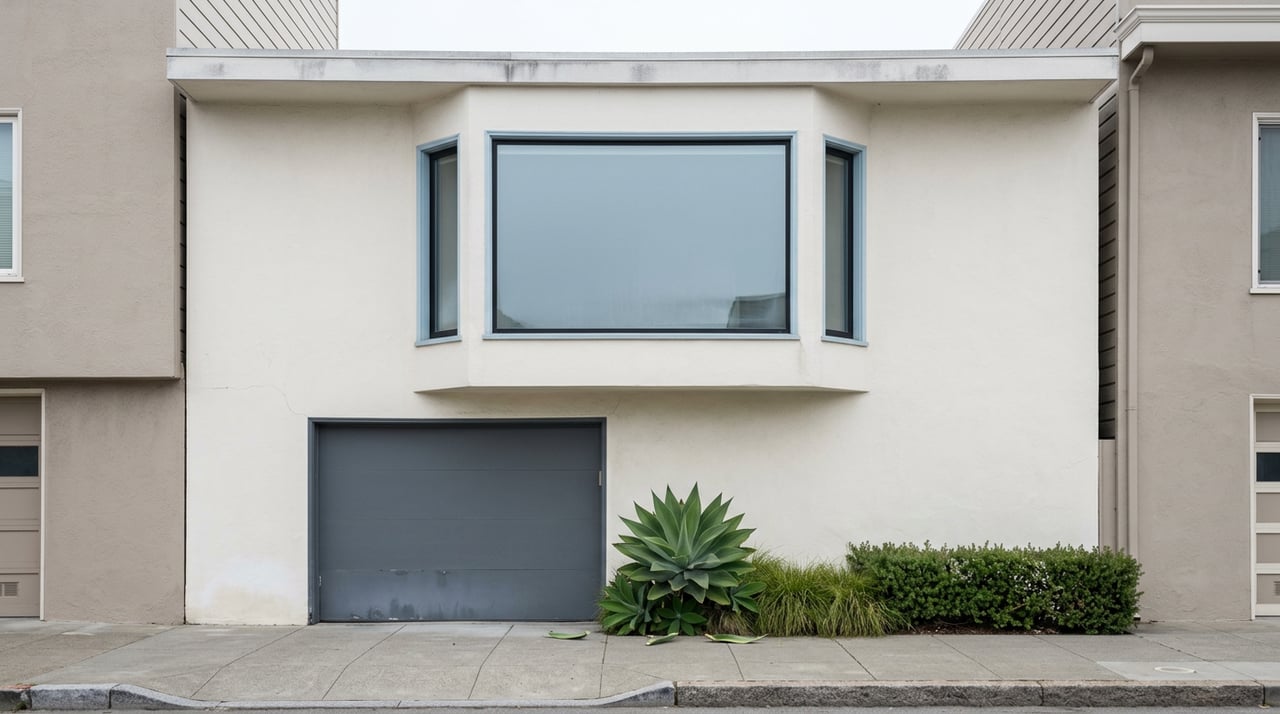
In practical terms, San Francisco tends to support a more compact, city-centered lifestyle. You are more likely to encounter condos, flats, attached homes, and homes on smaller lots in many parts of the city.
Marin tends to feel more residential and lower-density. Its higher owner-occupancy rate of 64.7%, compared with 38.2% in San Francisco, suggests a market that is more oriented toward long-term homeownership. Marin households are also slightly larger on average, at 2.44 people compared with 2.21 in San Francisco, which can reinforce the sense of needing and using more space.
San Francisco may fit if you want:
- A denser, more urban setting
- More attached housing options
- A transit-connected lifestyle
- Closer-in access to city amenities
Marin may fit if you want:
- A lower-density setting
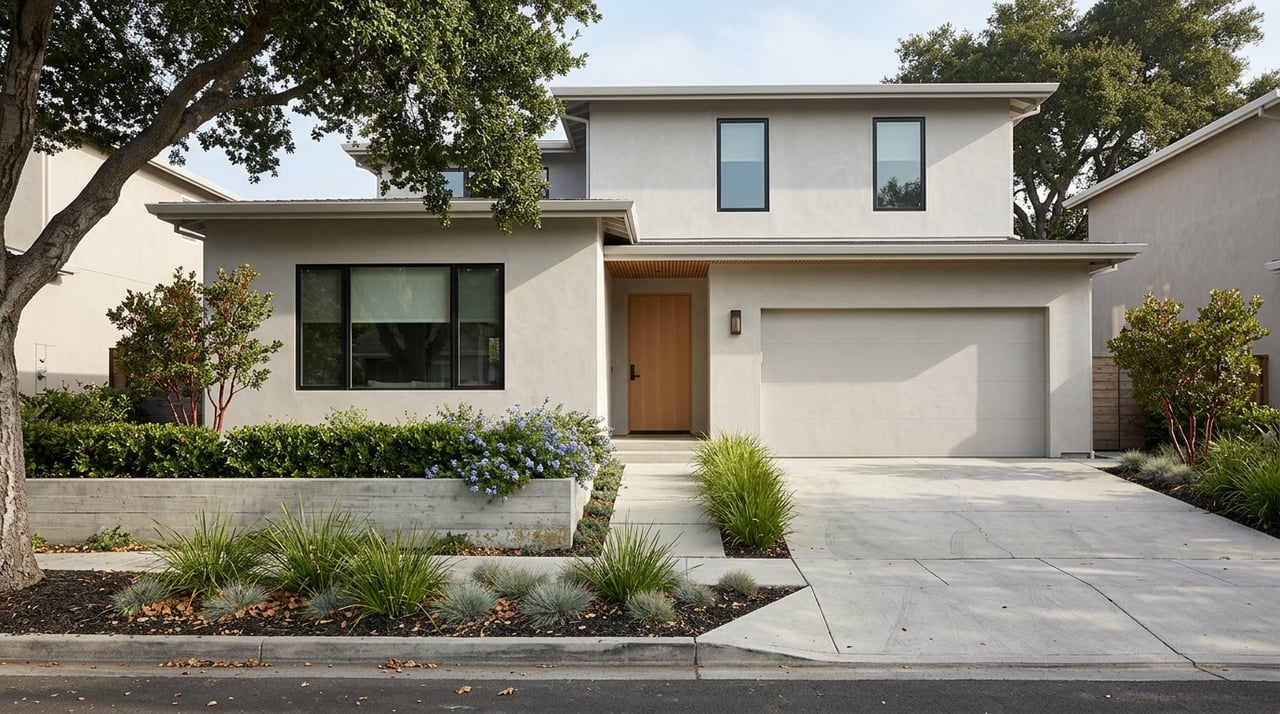
- More detached-home options
- More privacy and separation
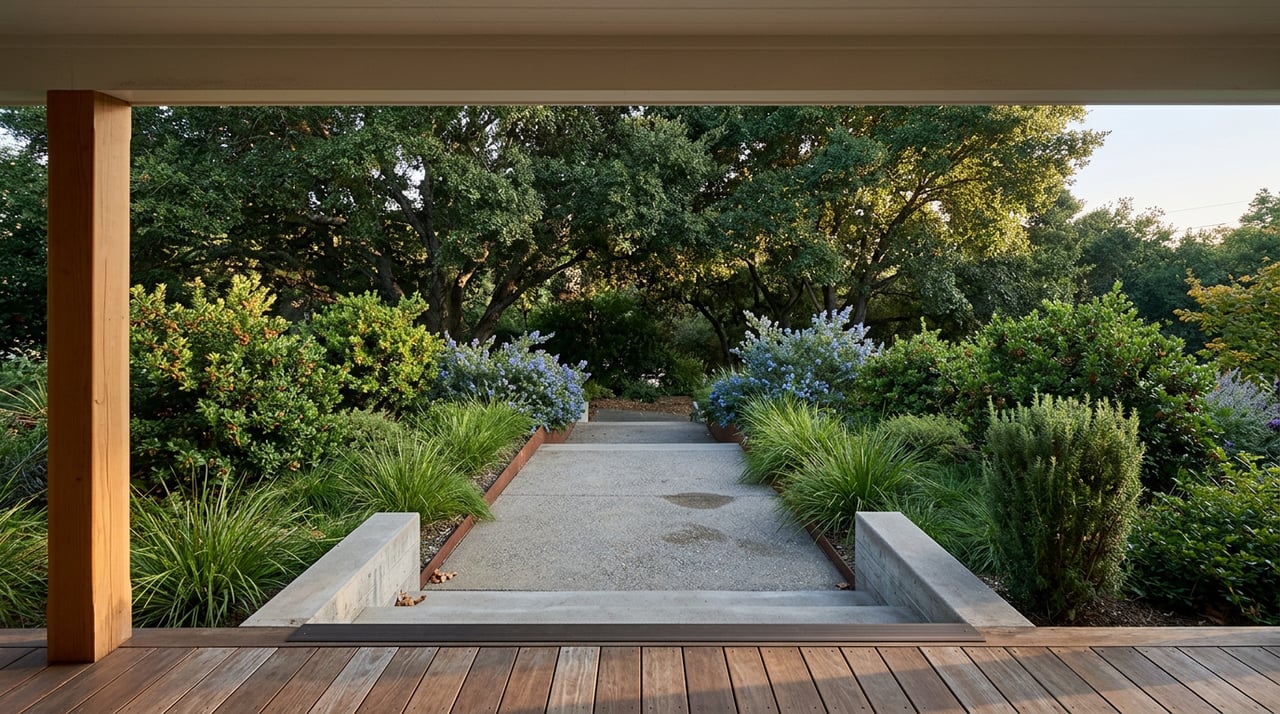
- A home base with easier access to larger open spaces
Compare Commute Options
If you work in San Francisco but are considering Marin, commute planning matters. Marin-to-San Francisco travel can work well, but convenience depends heavily on where in Marin you live.
For official commute options, Golden Gate Ferry runs seven days a week between the San Francisco Ferry Terminal and Marin destinations including Larkspur, Sausalito, and Tiburon. Golden Gate Transit commute services also connect parts of Marin to San Francisco.
Some locations offer more practical access than others. The Larkspur Ferry Terminal is a notable park-and-ride option just off U.S. 101, with 1,800 public parking spaces. Golden Gate Transit also highlights Route 101, Route 120, and Route 132 as key cross-bridge options, with service connecting areas such as Seminary, Manzanita Park & Ride, Marin City, Sausalito, San Anselmo, and downtown San Francisco.
Why location inside Marin matters
Not all Marin commutes are equal. A home near a ferry terminal or major bus corridor may offer a smoother daily routine than a home farther north or deeper into the hills.
That means your Marin experience can vary a lot based on micro-location. If commute ease is a priority, access to ferry or bus infrastructure should be part of your home search from the start.
Compare Outdoor Access
Both San Francisco and Marin offer strong outdoor access, but they deliver it in different ways. San Francisco builds parks into the urban fabric, while Marin offers broader regional open-space access.
According to San Francisco Recreation and Parks, the city manages more than 230 parks, playgrounds, and open spaces. Golden Gate Park alone spans 1,017 acres, and the Presidio adds 1,491 acres of forests, beaches, bluffs, and trails.
Marin’s outdoor profile is larger and more spread out. Marin County Parks manages 39 parks and 34 open space preserves totaling 18,500 acres. Mount Tamalpais State Park covers 6,300 acres, and Muir Woods protects 554 acres of old-growth redwood forest.
What that lifestyle difference feels like
In San Francisco, park access is often woven into everyday city life. You may be near neighborhood parks, larger signature parks, and waterfront open space without leaving the city environment.
In Marin, the draw is often bigger landscape access and a sense of being closer to the trailhead. For many buyers, this is the real dividing line between the two locations.
Which Market Fits Your Lifestyle?
If your ideal day includes walkable city blocks, attached housing, and a more compact footprint, San Francisco may be the better match. The city’s density, transit orientation, and park network support an urban lifestyle that works well for people who want to stay close to the action.
If your ideal day centers on more space, a lower-density setting, and broader access to open land, Marin may be the stronger fit. The trade-off is that commute planning often requires more intention, especially if you need to cross the bridge regularly.
Here is a simple way to frame it:
| Priority | San Francisco | Marin County |
|---|---|---|
| Housing feel | More attached and compact | More detached and space-oriented |
| Density | Very high | Much lower |
| Ownership profile | More renter-heavy | More owner-occupied |
| Commute style | City-centered and transit-connected | Often bridge-dependent and location-specific |
| Outdoor access | Parks within city life | Larger regional open space |
A Smart Way to Make the Decision
If you are torn between San Francisco and Marin, start with your daily routine, not just list price. Think about how much space you want, what kind of home you prefer, how often you commute, and whether you want parks integrated into city life or larger open-space access nearby.
For many buyers, the choice is less about which market is “better” and more about which one fits their next chapter. A move works best when the home, the location, and your lifestyle all line up.
If you want help weighing San Francisco against Marin County, Now Homes offers thoughtful, local guidance across San Francisco and adjacent Bay Area markets. Whether you are buying, selling, or planning your next move, our family-led team can help you compare your options with clarity and confidence.
FAQs
What is the main lifestyle difference between San Francisco and Marin County?
- San Francisco generally offers a denser, more urban lifestyle with more attached housing, while Marin County generally offers a lower-density setting with more owner-occupied housing and broader open-space access.
Is Marin County cheaper than San Francisco for homebuyers?
- Based on the research provided, no. Marin County’s median owner-occupied housing value is higher than San Francisco’s, so Marin is not necessarily the lower-cost option.
How do commute options from Marin County to San Francisco work?
- Marin-to-San Francisco commuters can use Golden Gate Ferry and Golden Gate Transit, but convenience depends a lot on how close your home is to a ferry terminal or major bus corridor.
Does San Francisco still offer good outdoor access despite its density?
- Yes. San Francisco has more than 230 parks, playgrounds, and open spaces, including Golden Gate Park and the Presidio, which provide significant outdoor access within the city.
Who should consider moving to Marin County instead of San Francisco?
- Marin County may appeal more if you want a lower-density environment, more space, stronger owner-occupancy trends, and easier access to larger regional parks and preserves.