Thinking about adding flexible space or rental income without leaving your Marin neighborhood? An accessory dwelling unit can be a smart way to live multigenerationally, host long-term guests, or create steady income. If you are in San Rafael or unincorporated Marin County, the rules are favorable but still detailed. In this guide, you will learn the basics of what is allowed, how the permit process works, what it might cost, and the practical steps to get started. Let’s dive in.
What counts as an ADU in Marin
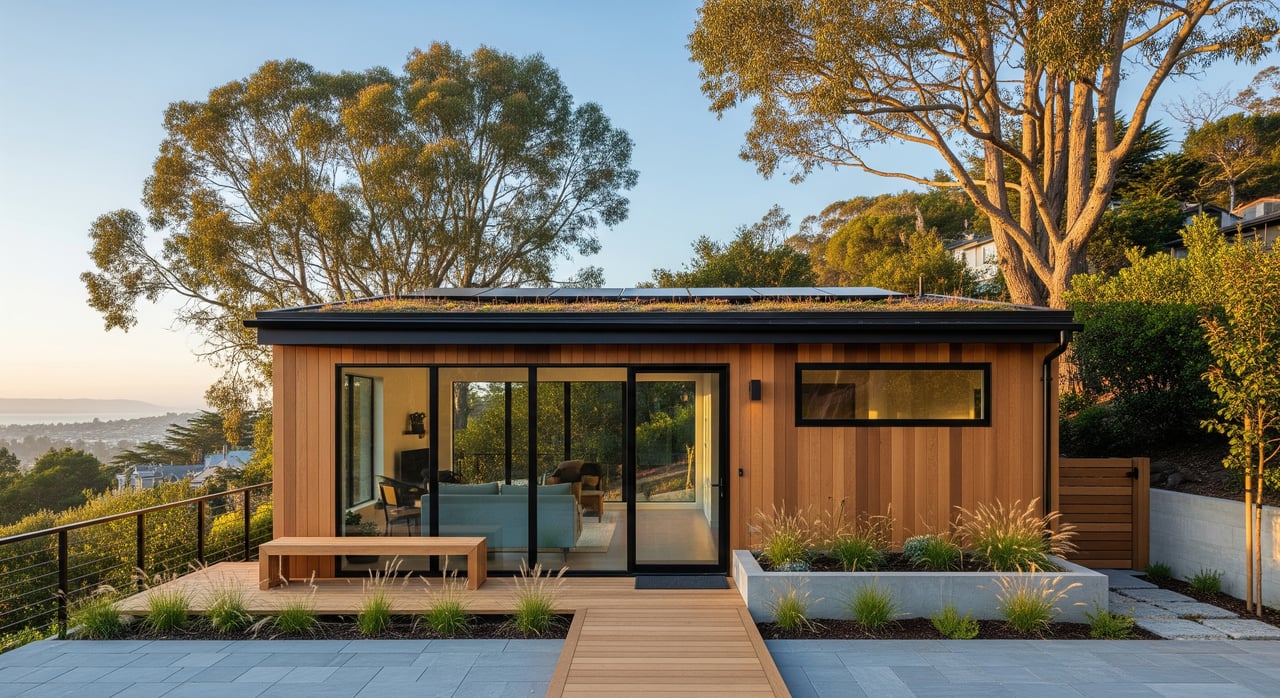
An accessory dwelling unit is a secondary housing unit on a residential lot. Common options include converting existing space like a garage or basement, building an attached addition, or constructing a detached small home. There is also a Junior ADU, which is a smaller unit contained within a single-family home.
State law sets the baseline standards so you have a clear path to approval. Local agencies in Marin and San Rafael can apply objective rules for size, height, setbacks, parking, and safety. Always confirm your property’s specific standards with your local planning department before you draft plans.
State rules vs. local rules
California has strengthened ADU laws to reduce barriers and speed up approvals. These laws limit discretionary review and require cities and counties to use objective standards. The California Department of Housing and Community Development provides the statewide framework and model checklists.
Marin County and the City of San Rafael align with state law but still apply local standards. These include design criteria, wildfire safety measures, septic capacity checks, and rules in special areas like the Coastal Zone or historic districts. If your lot is in the Coastal Zone or subject to design or historic overlays, you may need extra reviews or permits.
Site and design constraints to check
Wildfire safety and defensible space
Much of Marin lies in the Wildland Urban Interface. Expect Fire Department review for access, materials, sprinklers when required, and vegetation management. These rules can shape where you place the ADU and the construction details.
Sewer vs. septic capacity
Many properties connect to a sanitary sewer, while others use septic systems. If you are on septic, plan for Environmental Health review to assess capacity. Upgrades or a new system are common when adding a unit and can be a major cost.
Water and other utilities
Your local water provider will confirm service capacity and issue connection permits. Plan early for electrical load, HVAC, and plumbing routing. If you prefer separate metering, discuss that with your designer and utility providers during planning.
Slopes, soil, and flood zones
Hillsides, unstable soils, and drainage issues can increase foundation and grading costs. Parcels in FEMA flood zones or with high groundwater may need elevated designs or floodproofing. These conditions often add engineering, time, and insurance considerations.
Historic and coastal overlays
Historic districts and conservation areas require sensitive design and additional approvals. Properties in the Coastal Zone may need a Coastal Development Permit. Verify overlays with your local planning counter before you invest in full drawings.
How the permit process works
Plan your approach
Start with a quick feasibility review of zoning, overlays, and utilities. Decide on the ADU type that fits your site and budget. Engage an architect or designer with Marin ADU experience and consider a pre-application meeting with planning staff.
Typical approvals and reviews
- Planning or zoning check to confirm objective standards
- Building permit for plans, structural, and energy code compliance
- Public Works or Engineering for grading, drainage, driveway, and right-of-way items
- Environmental Health for septic-served parcels
- Fire Department for access, defensible space, and life-safety features
- Utility connections for water, sewer, and electrical
- Coastal Development Permit or design review if your property is in an overlay area
Timelines you can expect
Pre-application research can take days to a few weeks. Preparing permit drawings can take weeks to months based on scope. Ministerial plan review often ranges from 30 to 90 days, but projects with septic upgrades, Coastal permits, or multiple agencies take longer. Construction typically ranges from 3 to 8 months for modest conversions and 6 to 12 months for larger detached units.
Budget and financing
Cost drivers to watch
Costs vary by size, type, and site conditions. Conversions and attached ADUs commonly start in the low tens of thousands to low hundreds of thousands, while detached ADUs often land in the mid six figures and up. In Marin, higher labor and material costs, wildfire hardening, septic replacement, utility trenching, and hillside foundations can meaningfully raise budgets.
Ways to pay for an ADU
Many owners use a home equity line of credit, a cash-out refinance, or a home equity loan. Construction and renovation loans, including ADU-focused products, are available from some lenders. FHA 203(k) and similar programs can help when converting or renovating existing spaces. Local grants, fee reductions, or incentives may appear periodically for units that meet affordability goals, so check current Marin and San Rafael offerings.
Taxes, insurance, and renting
Property tax and assessment
Adding an ADU generally increases your assessed value under Proposition 13 rules, which can raise your property taxes. The exact change depends on the value added by the new construction. Contact the Marin County Assessor to understand how your project could be assessed.
Insurance updates
Update your homeowner’s policy to reflect the ADU and how it will be used. If you rent the unit, consider landlord liability coverage and encourage tenants to carry renters insurance. Conversions of garages or basements should be reviewed to ensure the renovated space is fully covered.
Rental rules and options
Many owners use ADUs for long-term rentals, multigenerational living, or personal use. Short-term rental rules are separate and often include registration, licensing, and transient occupancy taxes. Check San Rafael or Marin County codes to confirm what is allowed for your address.
Quick feasibility checklist
- Confirm whether you are in San Rafael city limits or unincorporated Marin County
- Verify zoning and any overlays like Coastal Zone, historic, or slope controls
- Determine if you are on sewer or septic and contact Environmental Health if on septic
- Check water and sewer districts for capacity and connection fees
- Speak with the Fire Department about access and defensible space
- Review objective ADU standards for size, setbacks, height, and parking
- Choose your ADU type and establish a preliminary budget range
- Hire an architect or ADU designer with Marin experience and consider a pre-application meeting
- Prepare plans, submit for permits, and plan for inspections during construction
Local contacts
- Marin County Community Development Agency – Planning and Building Division
- City of San Rafael Planning and Building Departments
- Marin County Environmental Health Services
- Marin County Fire Department
- Local water and sewer providers such as Marin Municipal Water District and Central Marin Sanitation Agency
- Marin County Assessor’s Office
Common pitfalls to avoid
- Skipping early checks for septic capacity, which can trigger unplanned costs
- Underestimating wildfire requirements like access, materials, and vegetation zones
- Designing before verifying Coastal or historic overlays, which can change the scope
- Forgetting to budget for utility upgrades and trenching on longer runs
- Treating the process as discretionary when ADUs are reviewed against objective standards
Your next step
If you want a grounded, local perspective on whether an ADU makes sense for your property and long-term goals, our family team is here to help. We can talk through feasibility, connect you with vetted local designers, and align financing options with your plan. Reach out to Now Homes for a practical, homeowner-first conversation about your ADU path.
Ready to explore your options? Connect with our team at Now Homes.
FAQs
How big can an ADU be in Marin County or San Rafael?
- Size depends on state ceilings and local zoning standards for your specific parcel. Your planning department can confirm limits for floor area, height, and lot coverage.
Will my septic system need upgrades to add an ADU?
- If your property uses a septic system, Environmental Health review is typically required and upgrades are common when adding a unit.
How long does ADU permitting take in Marin?
- Straightforward ministerial reviews often run 30 to 90 days once plans are submitted, but projects with septic, Coastal, or multi-agency reviews can take longer.
Can I use my ADU for short-term rentals in San Rafael?
- Short-term rental rules are separate from ADU rules and may require registration and taxes. Confirm what applies at your address under local codes.
Will building an ADU raise my property taxes?
- Likely yes. New construction typically increases assessed value under Proposition 13. The Marin County Assessor can explain how your project would be assessed.
Do I have to live on the property if I build an ADU?
- Owner-occupancy requirements have been relaxed under state law, though some lending terms and local policies can vary. Verify the current rules for your situation.