Choosing a San Francisco condo can feel simple at first, then quickly get complicated. Two homes may have similar square footage and very different daily living experiences depending on the neighborhood, building type, HOA setup, and even how parking works. If you want to compare condos with more confidence, the key is to look past the headline price and evaluate each area on an apples-to-apples basis. Let’s dive in.
Start With Neighborhood Form
In San Francisco, neighborhood identity is shaped by more than location. Planning documents point to topography, street patterns, views, and building form as core differences between areas, and those differences matter when you are shopping for a condo.
That means a condo in a newer redevelopment district may feel completely different from one in an older hill neighborhood, even if the bedroom count is the same. Before you compare list prices, start by asking what kind of neighborhood fabric you want to live in every day.
Newer Downtown and Waterfront Areas
Mission Bay, South Beach, Rincon Hill, and much of SoMa are some of the clearest examples of newer condo stock in San Francisco. These areas tend to include more mid-rise and high-rise buildings, newer common amenities, and development shaped by recent planning goals.
Mission Bay has added more than 6,000 housing units since 2000. Rincon Hill was planned as a mixed-use neighborhood with slender residential towers, transit access, and underground parking, while SoMa includes a mix of warehouse conversions, apartment buildings, and live-work lofts. That variety can lead to very different floor plans within a relatively small area.
Historic Hill and Waterfront Areas
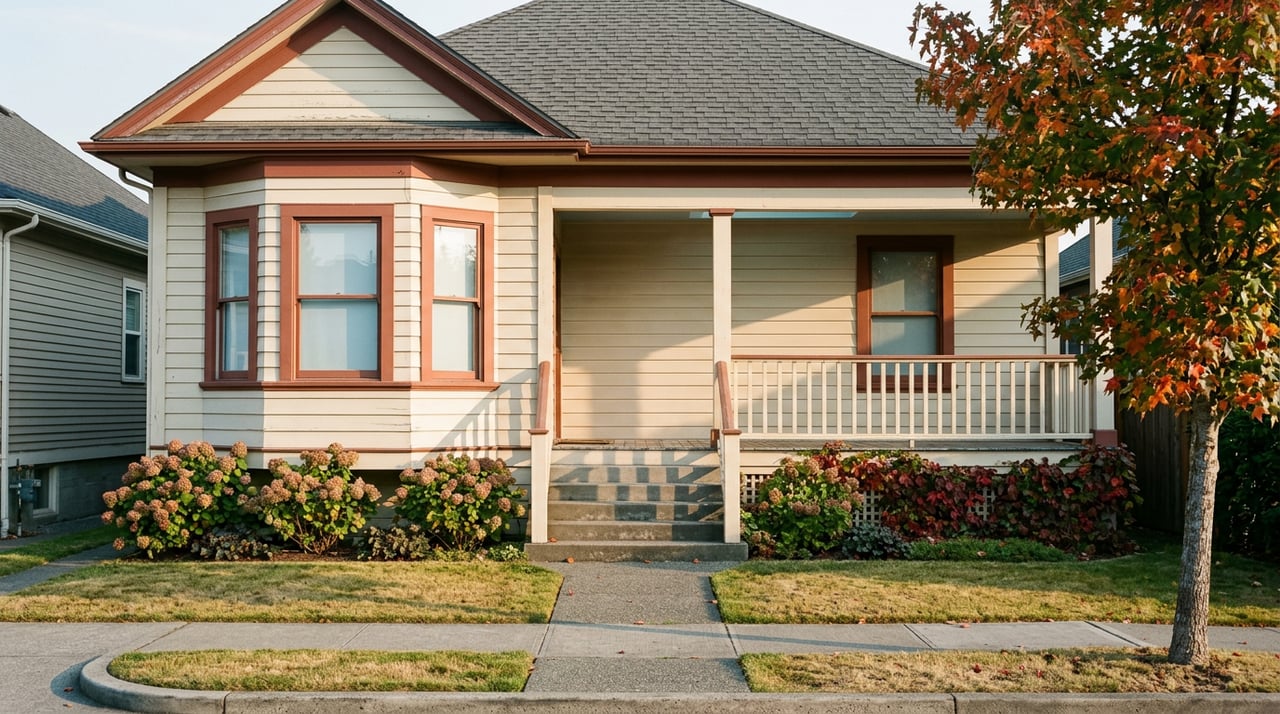
Nob Hill, Russian Hill, Pacific Heights, and the Marina often offer a more character-driven condo experience. Planning materials describe Russian Hill and Pacific Heights as places with older, detailed buildings and strong visual identity, while current Marina inventory also reflects older architecture and larger, more house-like condo layouts.
If you are drawn to classic San Francisco building styles, these neighborhoods may stand out. At the same time, older buildings can come with different maintenance needs, HOA structures, and layout tradeoffs than newer construction.
Mixed-Scale Central Neighborhoods
Hayes Valley and the Market and Octavia area are often more fine-grained in character. Planning documents describe Hayes Valley as a locally eligible historic district with Victorian and Edwardian buildings from roughly 1860 to 1920, plus smaller commercial and mixed-use structures and some apartment buildings.
These neighborhoods are also known for walkability and transit access. When you compare condos here, room count, natural light, and layout efficiency may matter as much as total square footage.
Compare Condos in Matching Buckets
The best way to compare neighborhoods is to avoid broad, one-size-fits-all assumptions. A newer amenity tower in South Beach should not be measured the same way as an older boutique flat in Nob Hill.
A stronger framework is to compare homes with the same bedroom count, a similar parking setup, a similar building age, and a similar HOA burden. Once you line up those variables, neighborhood differences become much easier to evaluate.
Match Bedroom Count and Livability
Start with how the home actually lives. Two 2-bedroom condos can feel very different if one has an open layout and the other has more segmented rooms or less efficient circulation.
Current listings suggest that newer Mission Bay homes often include larger, open-layout residences, while Hayes Valley and Nob Hill show more smaller, older, or conversion-style homes, sometimes with private decks or roof decks. That is not a rule for every listing, but it is a useful pattern to keep in mind.
Match Parking and Storage
Parking can change both lifestyle and monthly cost. In newer downtown neighborhoods, parking is not always bundled the same way buyers expect.
Rincon Hill planning specifically calls for parking to be sold or rented separately from units, with parking kept underground. In transit-rich areas like Market and Octavia, planning also places stronger emphasis on walking, transit, and pedestrian orientation, so parking may carry a different value than it would in another part of the city.
Match Building Age and Type
Building age is one of the biggest hidden variables in San Francisco condo shopping. A converted older building, a boutique multi-unit property, and a newer high-rise can each offer a very different ownership experience.
The city’s 2024 Housing Inventory shows strong multi-unit housing presence in areas like Financial District/South Beach, Nob Hill, Pacific Heights, and Hayes Valley. That is a helpful reminder that building form varies sharply by neighborhood, and those differences can affect maintenance, sound, amenities, and long-term upkeep.
Look Beyond Price Per Square Foot
Price per square foot is useful, but it does not tell the whole story. In San Francisco, some of the biggest value differences come from HOA health, construction type, floor-plan efficiency, and whether the building fits your day-to-day needs.
If you rely too much on one pricing metric, you can miss the factors that most affect comfort and long-term ownership costs.
Review HOA Health Carefully
A condo purchase is also a review of the homeowners association. According to the California Department of Real Estate, CC&Rs govern common-area responsibilities, assessments, insurance, and architectural controls.
Association boards should prepare budgets and financial statements, and buyers should be able to review whether the HOA has adequate insurance, a solvent budget, and sufficient reserves. It is also important to ask whether there is any chance of a special assessment for major repairs or unexpected costs, and whether the association has rental restrictions.
Check for Older-Building Requirements
In older multi-unit properties, construction history matters. Buyers should check whether a building falls under San Francisco’s mandatory soft-story retrofit program for certain pre-1978 buildings.
This does not automatically make a property a bad fit. It simply means the building’s compliance status should be part of your comparison, especially when you are weighing older character buildings against newer construction.
Measure Layout Efficiency
Square footage only goes so far if the layout does not work for your routine. In a compact city like San Francisco, the practical use of space often matters more than the gross number.
As you compare condos, ask simple questions: Does the living area feel usable? Is there enough separation between bedrooms? Is storage built in, or will you need off-site solutions? A smaller, better-planned home can sometimes feel more functional than a larger one with wasted space.
Use Neighborhood Medians as Context Only
Current condo medians vary widely across San Francisco neighborhoods. Recent snapshots show SoMa around $600,000, Hayes Valley around $824,000, Mission Bay around $899,000, South Beach around $1.1 million, Rincon Hill around $1.12 million, Nob Hill around $1.32 million, Pacific Heights around $1.62 million, and Russian Hill and the Marina around $2 million.
Those figures are helpful for orientation, but they should not be treated as fixed rules. Some neighborhoods currently have only a small number of condos for sale, so median prices can move quickly and may not capture the full range of available homes.
Why Medians Can Mislead
A neighborhood median blends together different building types, sizes, and HOA structures. That can create a misleading comparison if one area has mostly newer towers and another has mostly older boutique buildings.
Use neighborhood pricing as a starting point, then narrow your search to comparable homes. That is where the real insight usually appears.
A Simple Framework for Comparing SF Condos
If you want a cleaner way to compare options, use the same checklist for every neighborhood. This helps you stay focused on the factors that most often shape value and daily comfort.
Your Condo Comparison Checklist
- Compare the same bedroom count across neighborhoods
- Match parking status, including whether it is included, separate, or unavailable
- Note building age and construction style
- Review HOA dues, reserves, insurance, and special assessment risk
- Measure layout efficiency, not just square footage
- Consider whether the home is in a newer amenity building or an older boutique or conversion property
- Check for older-building compliance issues, including soft-story retrofit status when relevant
- Weigh transit access, walkability, and daily mobility needs based on your lifestyle
How to Narrow Your Search Faster
If you are deciding among several neighborhoods, it can help to group them by condo style first. For example, you might compare Mission Bay, South Beach, and Rincon Hill together if you want newer buildings, or compare Nob Hill, Russian Hill, and Pacific Heights if you prefer older architecture and more classic San Francisco character.
From there, review real options side by side using the same decision criteria. That approach is often more effective than jumping between very different neighborhoods and trying to compare only on price.
Buying a condo in San Francisco is rarely just about finding the lowest price or the biggest unit. It is about finding the right fit between neighborhood setting, building type, monthly ownership costs, and the way you actually want to live. If you want experienced, neighborhood-focused guidance as you compare San Francisco condos, the team at Now Homes can help you sort through the details with clarity and confidence.
FAQs
How should you compare San Francisco condos by neighborhood?
- The strongest method is to compare condos with the same bedroom count, similar parking, similar building age, similar HOA burden, and similar livability tradeoffs rather than relying only on price per square foot.
Which San Francisco neighborhoods have newer condo buildings?
- Mission Bay, South Beach, Rincon Hill, and much of SoMa are commonly associated with newer condo stock, including mid-rise and high-rise buildings, lofts, and amenity-focused developments.
Which San Francisco neighborhoods have more historic condo character?
- Nob Hill, Russian Hill, Pacific Heights, and the Marina generally lean older and more character-driven, with architecture and layouts that can differ significantly from newer downtown towers.
What should you review in a San Francisco condo HOA?
- You should review the HOA budget, financial statements, insurance, reserve levels, assessment history, and any rules in the CC&Rs that affect ownership costs, common areas, or rental restrictions.
Why is parking important when comparing San Francisco condos?
- Parking can affect both convenience and total cost, and in some newer neighborhoods, such as Rincon Hill, parking may be sold or rented separately from the condo unit.
Why can San Francisco condo prices vary so much by neighborhood?
- Prices can vary because neighborhoods differ in building form, age, location, amenities, parking setup, and available inventory, and some neighborhood medians are based on a small number of current listings.