Craving a home search that connects daily life to something more local and grounded? In Marin County, farmers markets are not just a weekend stop. They are part of a broader food culture shaped by working farms, direct sales, and town-centered routines. If you are exploring San Rafael or nearby Marin communities, understanding this local food network can help you picture how you might live here day to day. Let’s dive in.
Why Marin’s food culture stands out
Marin County’s food identity starts with agriculture, not branding. In 2023, the County reported that agriculture generated $257.2 million and supported 1,081 jobs, with $191.3 million tied to direct economic output from production and processing. That gives local food culture real economic weight, beyond the feel-good appeal of shopping seasonally.
Land conservation is also part of the story. MALT says it has protected 58,917 acres of farmland in West Marin, helping preserve a working landscape that continues to support farming and ranching. The Marin County Farm Bureau also describes its role as helping protect farmers and ranchers and maintain a reliable supply of food and fiber.
For you as a buyer, this matters because Marin’s markets reflect a living agricultural system. They are not simply pop-up events. They are one of the most visible ways local production connects to everyday life.
How certified farmers markets work in Marin
Marin County says certified farmers markets were created to provide fresh agricultural products directly to consumers. The County also inspects certified growing sites and markets to help preserve the integrity of direct marketing. That oversight gives shoppers a clearer link between what is grown and what is sold.
County-certified markets operate in Corte Madera, Fairfax, Larkspur, Mill Valley, Novato, San Rafael, Point Reyes Station, and Sausalito. Many are located in town centers or shopping areas, which makes them easier to fold into regular errands. In practical terms, that means local food access in Marin often fits naturally into your weekly routine.
A key part of this network is AIM, a regional food-system organization that runs markets, mobile access programs, education, and food-business support. That broader role helps explain why Marin’s market culture feels established and well integrated rather than occasional or niche.
San Rafael’s markets lead the conversation
If you are focused on San Rafael, you are looking at the county’s strongest concentration of year-round market activity. The City of San Rafael says AIM’s year-round Sunday and Thursday markets are both near the Marin County Civic Center. The County lists the Thursday market at 10 Avenue of the Flags and the Sunday market in the Civic Center parking area on Peter Behr Drive.
That makes San Rafael especially appealing for buyers who want regular access to fresh produce, prepared foods, and a stronger connection to the local food economy. It also adds a useful lifestyle lens when comparing neighborhoods and commute patterns.
Sunday Marin Farmers Market
AIM says the Sunday Marin Farmers Market runs every Sunday from 8 a.m. to 1 p.m. at 3501 Civic Center Drive. It opened in 1987 and has grown into what AIM calls the third largest farmers market in California. AIM also says the market features nearly 200 farmers, ranchers, specialty food purveyors, and artisans.
The Sunday market also supports broader access. According to AIM, it accepts CalFresh/EBT, Market Match, and WIC. For many households, that combination of scale, consistency, and accessibility is part of what makes this market such a central Marin destination.
Thursday Marin Farmers Market
AIM describes the Thursday Marin Farmers Market as the Chef’s Market. It runs every Thursday from 8 a.m. to 1 p.m. at the Marin County Civic Center and includes more than 85 participants. AIM says the market attracts local restaurateurs and food producers and features hyperlocal meats, specialty pastries, breads, and community activities.
This market gives San Rafael a slightly different weekly rhythm. Sunday can feel like a broad community shopping day, while Thursday brings a food-focused energy tied to chefs, makers, and fresh sourcing.
Summer market downtown
San Rafael also has a seasonal downtown evening option. The County lists the San Rafael Summer Farmers’ Market on Fourth Street, held on the second Friday of the month from June through August. That smaller seasonal layer adds another point of connection between food culture and the city’s central business district.
The City of San Rafael also notes AIM’s Rollin’ Root mobile market, with Thursday stops in San Rafael. Together, these options create a mix of large regional draws and more neighborhood-scale food access.
Getting to the markets is part of the appeal
Market access is not just about what is sold. It is also about how easily you can make it part of your week. AIM says the Thursday market is easy to reach by car, SMART at the Marin Civic Center station, and by bike or on foot.
For the Sunday market, AIM says there is free parking, Golden Gate Transit access, and SMART access within a short walk. That flexibility matters if you are weighing convenience, traffic patterns, or how often you would realistically use a nearby amenity.
For homebuyers, this is a useful distinction. A market can sound attractive on paper, but access determines whether it becomes a habit or an occasional outing.
Food culture goes beyond the market stalls
Marin’s farm-to-table identity is also shaped by well-known producers and food destinations. Point Reyes Farmstead Cheese Company says its family roots in Point Reyes go back to 1942 and 1959, and that it began making cheese in 2000. The creamery still turns milk from its own herd into cheese on the farm in Point Reyes Station.
Marin French Cheese says it has been crafting cheese on a historic ranch in West Marin since 1865. It also invites visitors to sample cheese in the shop, enjoy lunch at the cafe, and spend time on the picnic grounds. These kinds of destinations reinforce the idea that local food in Marin is tied to place, history, and ongoing production.
AIM also plays a larger role than many people realize. The organization says it serves more than 400 farmers, food purveyors, and artisans from over 40 California counties and attracts two million visitors annually. It is also in the predevelopment stage for a Center for Food and Agriculture at the Marin County Civic Center, a project the County says would be near Highway 101 and a SMART station.
Why this matters in a home search
When you are deciding where to live, lifestyle usually comes down to repeated habits. Where do you shop? How easy is it to run errands? What parts of town give you a stronger sense of local connection? In Marin County, farmers markets help answer those questions in a practical way.
Because many market sites sit in town centers or shopping districts, food access often overlaps with daily routines rather than standing apart from them. That is especially relevant in San Rafael, where markets, transit, downtown growth, and neighborhood variety all meet.
For buyers comparing Marin communities, this can be a helpful filter. Some areas place you closer to a walkable, market-oriented routine, while others offer a more suburban setup with market access still within reach.
San Rafael neighborhoods and food access
San Rafael offers several distinct neighborhood patterns. If local food access is high on your list, it helps to think less about one “best” area and more about how each area supports your routine.
Downtown San Rafael
Downtown is the clearest place to connect housing growth with food access. The Downtown Precise Plan covers a large central area and contemplates more than 2,000 new housing units and over 700,000 square feet of new non-residential space. That makes it one of the most important areas to watch if you want a more connected, mixed-use lifestyle.
The City’s General Plan describes Downtown as a mosaic of six districts, including the Fourth Street Retail Core, West End Village, and the Second/Third Mixed-Use District. This mix supports the idea of downtown living where restaurants, shops, services, and seasonal market activity can all be part of your weekly pattern.
West End Village
The General Plan describes West End Village as a mixed-use village along Fourth Street west of E Street, with one-of-a-kind businesses, sidewalk cafes, and residential use on upper floors. For buyers who like an active street environment, that description points to a neighborhood with an established urban feel.
It also lines up naturally with the Fourth Street summer market corridor. If you want the ability to step into local commerce rather than drive to it, this part of San Rafael deserves attention.
Gerstle Park
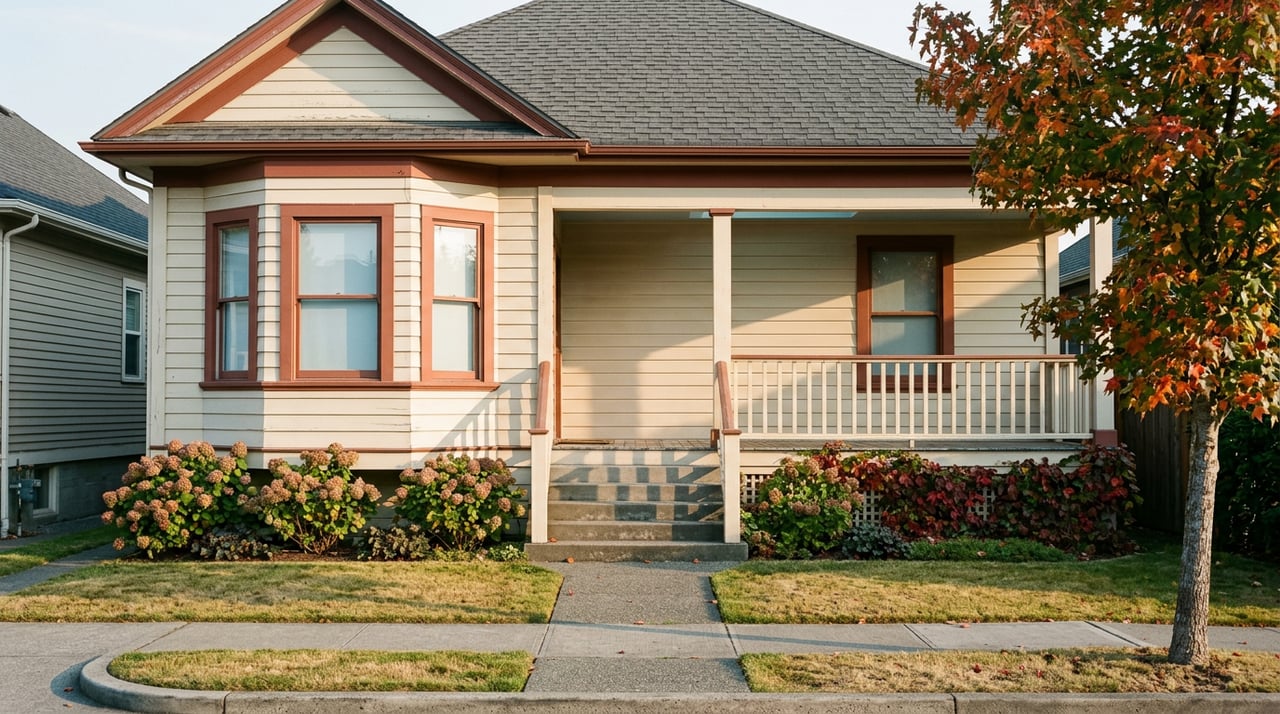
Gerstle Park sits just south of downtown and next to the business district. The General Plan says it has one of San Rafael’s largest concentrations of Victorian and turn-of-the-century homes and one of the city’s highest residential densities. It is also described as a walkable historic neighborhood with single-family, duplex, and multifamily housing.
For buyers who want architectural character and downtown adjacency, Gerstle Park offers an interesting balance. You get a neighborhood setting with relatively close access to central San Rafael’s shops, services, and market-related activity.
Montecito and Happy Valley
Montecito and Happy Valley also fit well for market-minded buyers. The General Plan says this area includes a wide variety of housing, a canalfront walkway, supermarkets on Third Street, and a commercial link to Downtown on Fourth Street. Housing types include single-family homes, duplexes, medium-density, and higher-density housing.
That combination can appeal if you want choices in housing style while staying tied to everyday shopping and downtown access. It suggests a practical, connected setup rather than a fully car-dependent one.
Terra Linda
Terra Linda has a more suburban character. The General Plan says it is one of San Rafael’s larger neighborhoods and was developed primarily with single-family homes, with condos and apartments in select areas near Freitas Parkway, Nova Albion, and Los Gamos Road. It also includes the Terra Linda Shopping Center, Kaiser Hospital, parks, and open space preserve access.
If you prefer more space and a different neighborhood feel, Terra Linda may still work well. You would likely approach the Civic Center market corridor more by car or transit than on foot, but the access is still part of the broader San Rafael lifestyle picture.
A simple framework for buyers
If your ideal routine includes frequent market visits, nearby shops, and a more walkable feel, Downtown, West End Village, Gerstle Park, and Montecito or Happy Valley may stand out. That conclusion is a practical reading of official market locations and neighborhood descriptions, not a formal city ranking.
If you want a more suburban residential base with access to the Civic Center markets when it suits your schedule, Terra Linda may be worth a closer look. The right fit depends on how you balance home style, commute, errands, and the kind of local rhythm you want around you.
Marin County’s farmers markets reveal something important about this area. They show how agriculture, food access, and neighborhood life connect in a real, everyday way. If you are thinking about a move to Marin or comparing San Rafael neighborhoods, that connection can be a smart lens for narrowing your search.
If you want help evaluating Marin County neighborhoods through both a housing and lifestyle lens, Now Homes can help you make a confident move with experienced, personalized guidance.
FAQs
Where are the main year-round farmers markets in San Rafael?
- The main year-round markets are the Sunday and Thursday AIM markets near the Marin County Civic Center in San Rafael.
What makes Marin County farmers markets different from casual pop-up markets?
- Marin County says certified farmers markets are inspected to help preserve direct-marketing integrity and provide fresh agricultural products directly to consumers.
Which San Rafael neighborhoods have the strongest connection to market access?
- Based on official market locations and neighborhood descriptions, Downtown, West End Village, Gerstle Park, and Montecito or Happy Valley offer the strongest connection to a market-oriented routine.
Is Terra Linda close to San Rafael’s farmers market scene?
- Terra Linda is more suburban in character, but it still has access to the Civic Center market corridor by car or transit.
Why does local food culture matter when buying a home in Marin County?
- It can help you evaluate how easily fresh food access, errands, transit, and neighborhood amenities fit into your everyday routine.