Wondering whether a San Francisco loft is the right fit for your lifestyle? You are not alone. Loft living can offer striking architecture, flexible space, and a close-in location, but it also comes with tradeoffs that are worth understanding before you buy. If you are exploring lofts in San Francisco, this guide will help you make sense of the style, the neighborhoods, and the details that matter most. Let’s dive in.
What a loft means in San Francisco
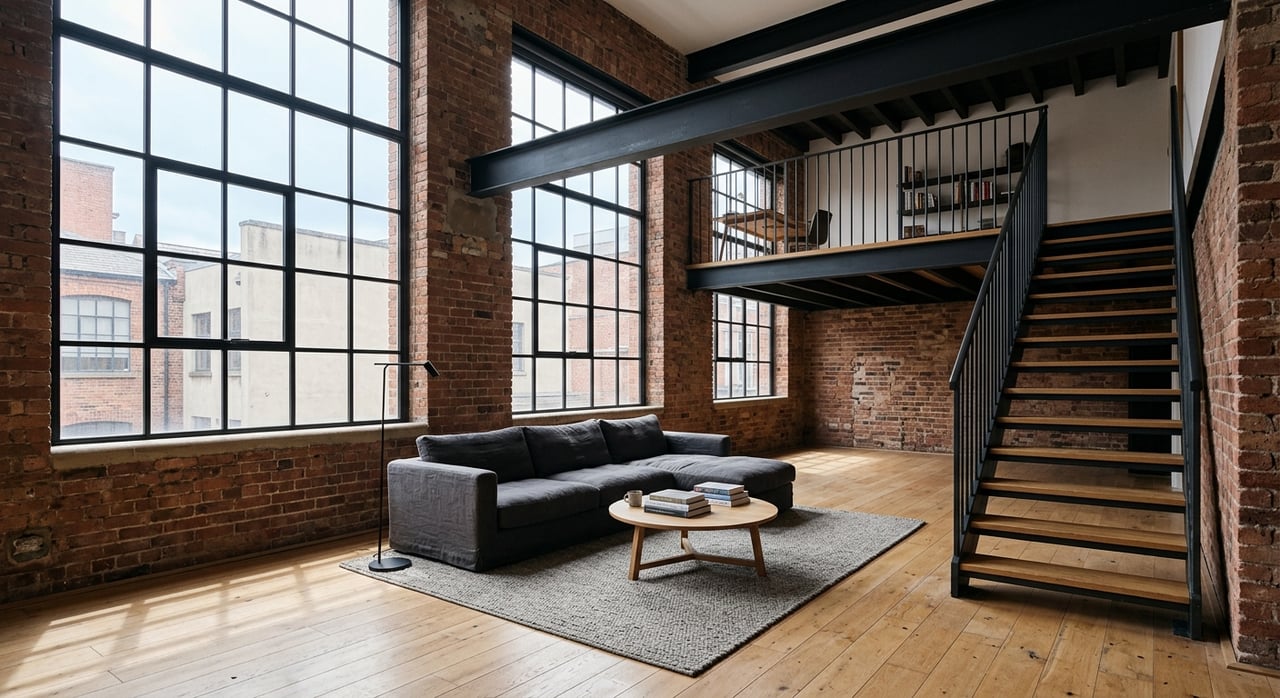
In San Francisco, a loft is best understood as a building type and design format, not just a trendy listing label. Planning history describes lofts as open, unpartitioned multi-story spaces with high ceilings, large window openings, and structures originally built for flexible commercial or light industrial use rather than traditional room-by-room living.
That history matters because many of the lofts you see today reflect older industrial buildings that were designed for wholesale, storage, manufacturing, or distribution. You will often find structural features like brick or concrete construction and heavy timber or other industrial-era systems that help create the look many buyers want.
Loft vs. live/work
One of the most important distinctions for buyers is the difference between a loft and a live/work unit. A loft describes the form and feel of a space. A live/work unit is a legal use category in the Planning Code.
San Francisco defines a live/work unit as a structure, or part of one, that combines residential living space for up to four adults with integrated workspace used mainly by the residents. That is not the same as a standard dwelling unit, and the distinction can affect how the property is occupied and marketed.
Where lofts cluster in San Francisco
If you are searching for lofts, you will not find them evenly spread across the city. Instead, they tend to appear in pockets shaped by San Francisco’s industrial and commercial past.
South of Market loft pockets
The strongest historic concentration of loft buildings is in South of Market, especially between 1st and 4th Streets. Planning records point to corridors along Mission, Howard, 1st, 2nd, and 3rd Streets as key areas where light industrial loft buildings took hold.
This helps explain why SoMa remains one of the first places buyers look when they want authentic loft character. You are often seeing a mix of original industrial-era structures and buildings that were later adapted for residential use.
Central SoMa access and convenience
Central SoMa stands out for buyers who want a loft feel with strong city access. The area sits next to downtown and is noted by the city for its strong transit connections and its mix of housing, jobs, and cultural uses.
For many buyers, that combination is a major draw. You get a more flexible, design-forward home style while staying connected to the daily rhythm of San Francisco.
Showplace Square and Potrero loft character
Showplace Square and Potrero are also important loft-adjacent districts. This area grew from a warehouse and industrial base into a neighborhood shaped by design uses and PDR, which means production, distribution, and repair.
City planning guidance also notes that pedestrian use is favored here, while parking infrastructure is minimized. If you want an urban environment with industrial roots, this area may feel compelling. If you expect a more car-oriented setup, it may feel less convenient.
Central Waterfront, Dogpatch, and Potrero corridor
The Central Waterfront and nearby Dogpatch and Potrero corridor continue to matter in the loft conversation because they blend new housing with historic industrial and marine functions. The Potrero Power Station redevelopment adds homes, commercial space, PDR uses, community facilities, and open space to this broader area.
That mix can appeal to buyers who like neighborhoods in transition, where old industrial context and newer residential development exist side by side.
Why buyers are drawn to loft living
Lofts continue to attract buyers for a simple reason: they feel different from a standard condo. The open layout, taller ceilings, and industrial details can create a home that feels more creative, more flexible, and more visually memorable.
For some buyers, the appeal is mostly aesthetic. For others, it is practical. An open floor plan can support changing needs over time, whether that means reworking furniture layouts, carving out a desk area, or creating a home environment that feels more adaptable.
Flexible space
Because lofts are generally open and less compartmentalized, you may have more freedom in how you use the space. That flexibility is one reason lofts often appeal to buyers who want a home that can shift with their routines.
If you work from home part of the week or need a layout that can serve more than one purpose, the open format may be part of the appeal. You are not locked into the same room-by-room structure you might find in a more traditional home.
Distinct architectural style
Many San Francisco lofts are tied to the city’s industrial past, and that history gives them a look that is hard to replicate. Large windows, exposed materials, and broad open spans can create a studio-like feel that stands apart from a typical condo building.
For buyers who care about design, that character can be the deciding factor. A loft often feels less like a standard unit and more like a space with a story.
Location advantages
Another major benefit is location. Many loft clusters sit close to downtown and along transit-rich corridors, especially in and around Central SoMa and nearby Market Street areas.
That makes lofts worth a closer look if you want city access as part of your purchase decision. In San Francisco, where location shapes daily life, being near core job centers and transit can be just as important as the unit itself.
The tradeoffs to think through
The features that make lofts appealing can also create challenges. Before you fall in love with the look, it helps to think about how the format performs in everyday life.
Privacy and noise
Open, unpartitioned space usually means fewer enclosed rooms and less privacy. It can also mean more sound carries through the home.
If you share the space with someone else, host often, or simply prefer stronger separation between living, sleeping, and working areas, this is worth weighing carefully. What feels airy during a tour may feel different during a busy weekday.
Industrial-area activity
In industrial-adjacent parts of the city, the surrounding environment can also shape your experience. Planning documents for SoMa note freight deliveries in the street right of way and quality-of-life tensions tied to industrial activity.
That does not mean the area is not desirable. It means you should evaluate the block, traffic patterns, and surrounding uses with open eyes.
Parking expectations
Some loft-oriented districts are planned to be more pedestrian-focused and less centered on private vehicle use. In Showplace Square and Potrero, city guidance specifically favors pedestrian use while minimizing parking infrastructure.
If you rely on a car every day, make sure your expectations match the neighborhood pattern. A great interior does not always solve a difficult parking routine.
Smart due diligence before you buy
With lofts, due diligence is especially important because the style can mask meaningful legal and practical differences from one property to the next.
Confirm the legal use
Start by confirming how the property is legally classified. Do not assume every loft-style home functions the same way as a standard condo.
If a unit is classified as live/work, that can affect occupancy and how the property is used. San Francisco also limits short-term rental activity in these units to the residential portion when the resident meets the city’s rules.
Review building and permit records
It is also smart to review HOA documents, Notices of Special Restrictions, and permit history. San Francisco Planning’s Current Planning division reviews permits for compliance with the Planning Code, General Plan, zoning, and design guidelines, so the property record can reveal important context.
This matters even more if a loft has been converted or altered over time. A beautiful interior is only part of the story.
Understand historic and district constraints
If the building sits in a historic or industrial district, renovation options may be shaped by preservation rules, neighborhood plans, or the existing building envelope. This is especially relevant in areas such as SoMa, the Market Street Corridor, Showplace Square and Potrero, and the Central Waterfront.
If you are buying with plans to remodel, combine spaces, or significantly change the layout, this step becomes even more important. It is better to know the boundaries early.
How to evaluate a San Francisco loft
A good loft purchase is usually about fit, not just style. The right question is not simply, “Is this loft beautiful?” It is, “Does this loft support the way you actually live?”
As you compare options, focus on a few practical points:
- How much privacy do you need day to day?
- Does the legal use match your intended use?
- How does the block feel during business hours and evenings?
- What are the transit and parking realities?
- Are there building or district constraints that could affect future changes?
In San Francisco, lofts are not just a design trend. They are the result of specific building histories, neighborhood patterns, and land-use rules. That is exactly why they can feel so distinctive, and why buying one calls for careful local guidance.
If you are considering a loft in San Francisco, working with a team that understands both the housing stock and the city’s neighborhood-by-neighborhood context can make your search much clearer. When you want practical advice on lofts, condos, or other San Francisco homes, Now Homes offers experienced, relationship-first guidance tailored to how you want to live.
FAQs
What defines a loft in San Francisco real estate?
- In San Francisco, a loft is generally understood as an open, unpartitioned multi-story space with high ceilings and large windows, often tied to buildings originally designed for commercial or light industrial use.
What is the difference between a loft and a live/work unit in San Francisco?
- A loft describes the form and layout of a space, while a live/work unit is a legal use category that combines living space with workspace used mainly by the residents.
Where are lofts most common in San Francisco?
- Lofts are most strongly associated with South of Market, including areas between 1st and 4th Streets, as well as Central SoMa, the Market Street Corridor, Showplace Square and Potrero, and parts of the Central Waterfront.
What are the pros and cons of buying a loft in San Francisco?
- Common advantages include flexible layouts, industrial character, and close-in urban locations, while common tradeoffs include less privacy, more sound transfer, and possible exposure to freight or industrial street activity in some areas.
What should buyers check before purchasing a San Francisco loft?
- Buyers should confirm the unit’s legal use, review HOA documents and permit history, and understand any preservation or district-related constraints that could affect occupancy, marketing, or future renovations.