If you are getting ready to sell in Marin County, your biggest pricing mistake is often made before buyers ever step through the door. In a market that can move quickly, the right list price and the right presentation work together to shape early interest, showing activity, and offers. This guide will help you understand how Marin’s current market, micro-location trends, and smart prep choices can support a stronger launch. Let’s dive in.
Marin pricing starts local
Marin County still leans toward sellers, but countywide numbers only tell part of the story. Realtor.com’s May 2026 data shows a county median listing price of $1.495 million, a median sold price of $1.575 million, 30 median days on market, and a 100% sale-to-list ratio. MLSListings’ May 2026 single-family summary shows an even tighter picture, with a median sale price of $1.855 million, 13 days on market, and homes selling for 105% of list across 234 sales.
Those figures are useful, but they are not a pricing formula for your home. The datasets cover different property mixes and use different methods, so they should be read as complementary. What they clearly show is that well-positioned homes can still move fast in Marin.
Micro-markets matter more than county averages
Marin’s city-level pricing varies sharply. In May 2026, Realtor.com reported median listing prices ranging from about $1.099 million in Novato and $1.337 million in San Rafael to $2.195 million in Mill Valley and $4.477 million in Belvedere Tiburon. Median days on market also ranged widely, from 18 days in Mill Valley to 43 days in Belvedere Tiburon.
That spread is why list pricing should not rely on broad county averages alone. Your pricing strategy needs to reflect your specific city, neighborhood, property type, condition, and the buyers likely to compare your home against nearby alternatives.
How to price your home in Marin
A strong list price is usually built from recent comparable sales in the same micro-market. The most useful comps are homes with a similar property type, similar condition, and similar appeal to buyers. The last 30 to 90 days of closed sales and days-on-market data tend to be especially important when market pace is changing quickly.
In Marin’s current single-family market, many well-positioned homes are still selling quickly and often above list. That does not mean every property should be priced aggressively low or high. It means your first price should be precise enough to attract serious early traffic without leaving obvious room for a price cut.
Why the first week matters
Your first days on market often shape the rest of your sale. Buyers who have been watching Marin inventory closely tend to notice new listings right away, especially in popular price bands and well-supplied search areas. If your home launches at the wrong number, you may miss the strongest window of attention.
Overpricing can reduce early urgency and lead buyers to wait, compare, or assume negotiation room. Underpricing without a clear strategy can create confusion if the home’s presentation and value story do not support the price. The goal is to align your number with how buyers will actually see the home in today’s market.
Presentation influences price perception
Buyers do not respond to square footage and feature lists alone. They respond to what they can picture, how the home feels, and whether the space looks easy to live in. That is why presentation plays such a direct role in perceived value.
According to NAR’s 2025 staging survey, 83% of buyers’ agents said staging made it easier for buyers to visualize a property as a future home. Buyers’ agents ranked the living room, primary bedroom, and kitchen as the most important rooms to stage.
Focus on the rooms with the most impact
You do not need to stage every corner equally to make a strong impression. The same NAR survey found that sellers’ agents most often staged the living room, primary bedroom, and dining room. That supports a focused plan rather than a blanket approach.
If you are deciding where to spend, start with spaces that shape the first emotional read of the home. In many Marin listings, that means:
- Living room
- Primary bedroom
- Kitchen
- Dining room
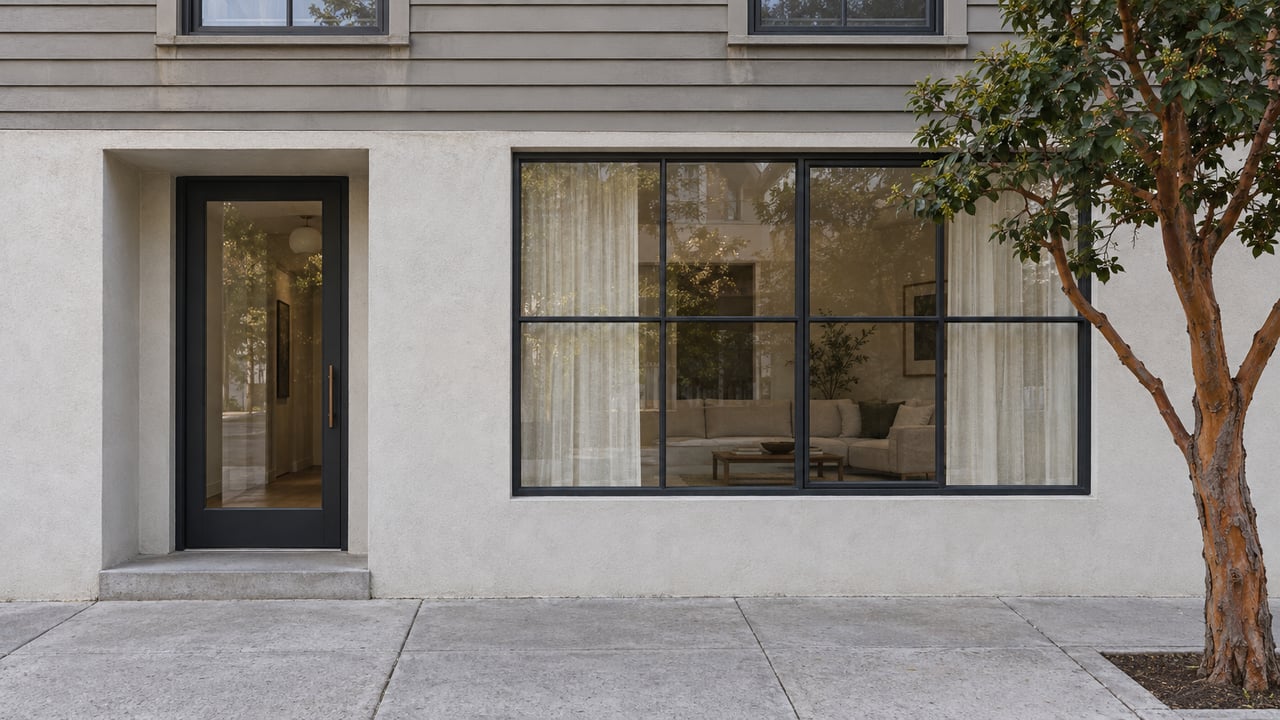
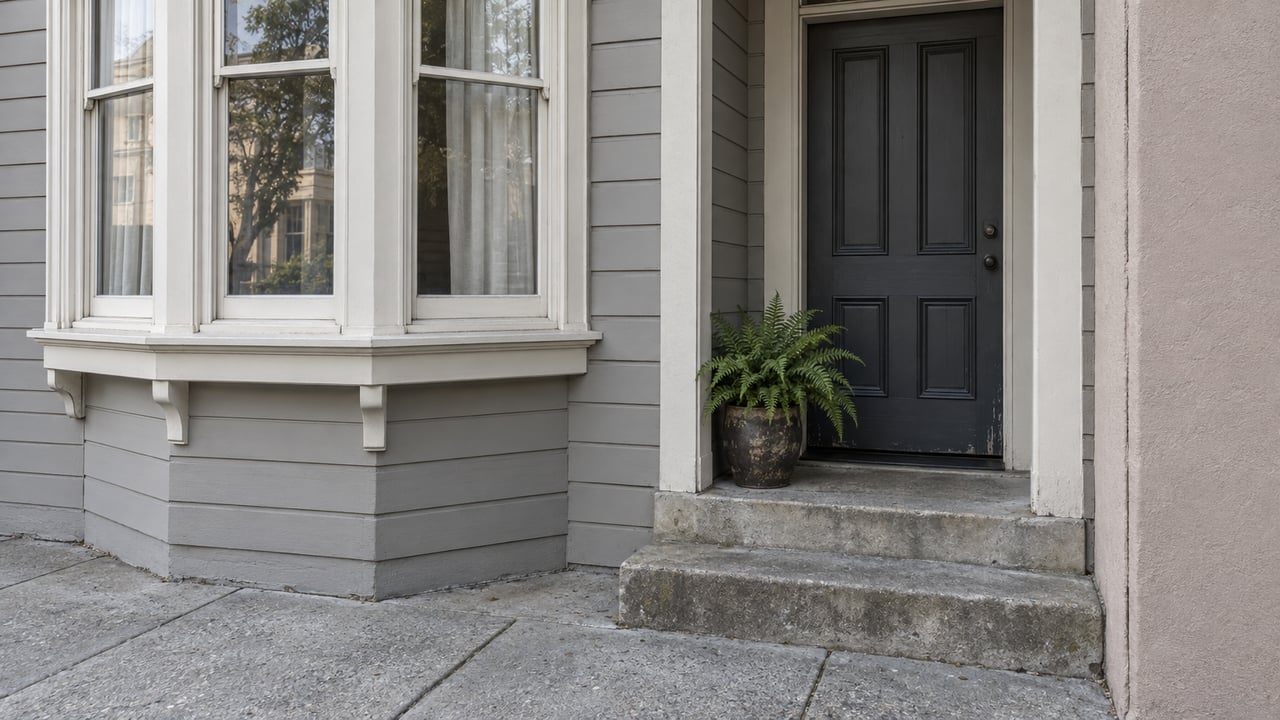
- Entry area and main outdoor approach
A more selective staging budget can still improve how buyers understand the home’s scale, flow, and function.
Listing media is part of presentation
Today’s first showing often happens on a screen. That means your photos, video, and virtual materials are not extras. They are part of the pricing and presentation strategy from day one.
NAR found that photos were important to 73% of buyers’ agents and 88% of sellers’ agents. Videos and virtual tours also ranked highly. If buyers do not connect with the listing online, they may never schedule an in-person visit.
Where your media budget can pay off
Professional presentation tends to work best when it is coordinated. That can include staging, photography, video, and visualization that all tell the same story about the home. The median spend on a professional staging service in the NAR survey was $1,500, and 49% of sellers’ agents said staging reduced time on market.
The same survey also found that 29% of agents said staging increased the dollar value offered by 1% to 10%. While results vary by property, that data supports investing where buyers notice the difference most.
Marin curb appeal includes hazard readiness
In Marin County, curb appeal is not just about neat landscaping and a clean front entry. For many homes, exterior prep overlaps with hazard readiness. Marin County’s local hazard maps highlight risks that can include flooding, sea level rise, wildfire, landslide, tsunami, and earthquake hazards.
That matters for both buyer confidence and seller preparation. A tidy, well-maintained exterior may help with first impressions, but hazard-related upkeep can also affect how buyers evaluate ongoing ownership.
Fire-zone prep may be part of selling
Marin County Fire says sellers in High or Very High Fire Hazard Severity Zones need an AB-38 inspection. The county also advises homeowners to maintain a 100-foot defensible-space zone with fire-safe landscaping and hardscaping.
If your property is in one of these zones, exterior work may serve two purposes at once. It can improve the look of the home while also helping you prepare for buyer questions and required disclosures.
Disclosures should start early
California’s seller disclosure rules make early preparation especially important. Under Civil Code 1102.3, the seller must deliver the completed residential disclosure before transfer of title or, in contract transactions, before execution. Late material disclosures can create a statutory buyer termination window.
The California Department of Real Estate also notes that the seller is principally responsible for disclosure and that the agent must visually inspect and disclose readily observable defects. In practical terms, that means it is better to gather facts early rather than scramble after your home is already on the market.
What to organize before listing
A smoother launch often starts with a clean disclosure file. For Marin sellers, useful prep items may include:
- Hazard status information where applicable
- Permit history
- Inspection reports
- Notes on repairs or improvements
- Property condition details that should be disclosed
California’s Natural Hazard Disclosure law requires hazard-zone disclosures where applicable, including special flood hazard areas, very high fire hazard severity zones, earthquake fault zones, seismic hazard zones, and state responsibility area wildland fire zones. Identifying these issues before listing can help reduce surprises later.
A practical Marin selling plan
If you want pricing and presentation to work together, treat your sale like a launch rather than a listing. That means lining up market analysis, prep work, disclosure planning, and media before your home goes live. The better coordinated your first impression is, the easier it becomes for buyers to understand the value.
A practical approach often looks like this:
- Review recent comparable sales in your immediate micro-market.
- Compare your home’s condition and features against current competition.
- Decide which rooms need staging or styling most.
- Prepare photos, video, and visual assets before going live.
- Gather disclosures, hazard information, and property records early.
- Launch at a list price that fits current buyer behavior, not just past peak expectations.
In Marin County, buyers can move fast when a home feels well prepared and well priced. A thoughtful plan helps you meet that moment with less stress and a stronger market debut.
If you are preparing to sell in Marin County and want a clear, tailored strategy for pricing, presentation, and launch timing, Now Homes can help you map out the next steps with experienced, hands-on guidance.
FAQs
How should Marin County home sellers set a list price?
- Marin County home sellers should look at recent comparable sales in the same micro-market, property type, and condition range, with close attention to the last 30 to 90 days of closed sales and days on market.
Why do Marin County sellers need micro-market data?
- Marin County sellers need micro-market data because city-level prices and market pace vary widely, so countywide averages may not reflect your home’s likely buyer pool or competition.
Which rooms matter most when staging a Marin County home?
- For Marin County home staging, the living room, primary bedroom, and kitchen tend to have the biggest impact on buyer visualization, with the dining room also often worth attention.
Do Marin County home sellers need hazard disclosures?
- Marin County home sellers may need hazard disclosures where applicable under California law, including disclosures related to flood, fire, earthquake fault, seismic hazard, and certain wildland fire zones.
What fire-zone steps may apply to Marin County sellers?
- Marin County sellers in High or Very High Fire Hazard Severity Zones need an AB-38 inspection, and the county advises maintaining a 100-foot defensible-space zone with fire-safe landscaping and hardscaping.
When should Marin County sellers start disclosures?
- Marin County sellers should start disclosures early because California law requires completed residential disclosures before transfer of title or, in contract transactions, before execution, and late material disclosures can create a buyer termination window.