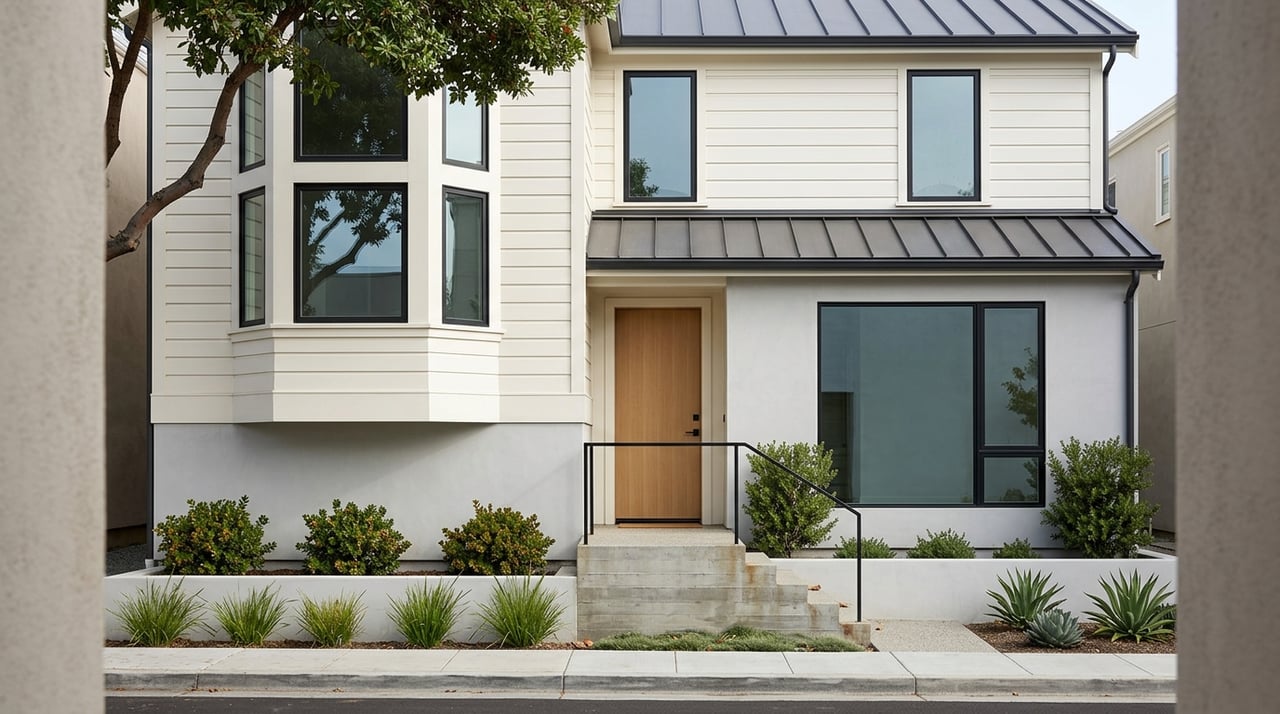
Selling a home in San Francisco can feel exciting and high-stakes at the same time. When homes are moving quickly and strong offers are common, the agent you choose can shape your pricing, preparation, negotiation, and overall experience. This checklist will help you ask smarter questions, spot red flags early, and choose an agent who can guide your sale with clarity and confidence. Let’s dive in.
Why your agent choice matters
San Francisco remains a competitive market. Redfin reported a median sale price of $1,698,983 in May 2026, with homes spending about 14 days on market, receiving about 4 offers, and selling at a 114.9% sale-to-list ratio.
In a market like this, small decisions can have a big financial impact. A thoughtful pricing strategy, a well-timed launch, and skilled negotiation can influence both your final sale price and your terms.
That is why your first goal is not just finding someone who can list your home. You want an agent who can explain their process, show recent local results, and communicate clearly from the first meeting forward.
Start with licensing and experience
Before you hire an agent, California’s Department of Real Estate recommends interviewing several agents. You should also confirm that the agent is properly licensed, review any disciplinary actions on the license record, and ask for references from past clients.
This step matters because experience alone is not enough. You want current, verifiable experience and a track record that matches your property type and location.
Ask about recent neighborhood sales
Citywide numbers are helpful, but they are not the whole story. In San Francisco, pricing and buyer response can vary by neighborhood, block, building type, and condition.
Ask each agent what recent listings they have sold in your neighborhood and how those homes performed against the original list price. Their answer should be specific, not vague.
Clarify who will handle your sale
Some sellers assume the person they meet first will manage everything. That is not always the case.
Ask who will be your day-to-day contact, how quickly they usually respond, and who handles the details once the listing goes live. A clear answer now can prevent frustration later.
Evaluate the pricing strategy
A strong listing agent should be able to explain exactly how they arrived at a recommended list price. That should include closed comparable sales, current competition, days on market, price reductions, and anything unique about your area or property.
In San Francisco, that analysis is especially important because homes are still moving fast and often selling above list. An inflated price can hurt momentum, while a well-supported price can help attract strong interest.
Questions to ask about pricing
Use this quick checklist during interviews:
- How did you choose the recommended list price?
- Which recent comparable sales matter most for my home?
- How do current competing listings affect your recommendation?
- How would you adjust the strategy if buyer response is slower than expected?
A good answer should sound grounded in evidence. If the explanation is thin or overly generic, that is a warning sign.
Review the prep and staging plan
Preparation can shape how buyers perceive your home from the start. An agent should be able to tell you what updates may be worth doing before launch, what can likely be left alone, and how the home should be presented.
Staging is one area where process matters. In the 2025 Profile of Home Staging, 29% of agents said staging increased the dollar value offered by 1% to 10%, and 49% said staging reduced time on market.
Ask for a concrete plan
Instead of accepting general promises, ask for specifics. What repairs do they recommend, what is the staging plan, and who pays for it?
For San Francisco sellers, this can be especially useful when your home has strong character but may need help showing its scale, light, or layout. A clear prep plan should connect directly to your pricing and marketing strategy.
If you own a condo or HOA property
If your home is a condo or part of an HOA, ask how the agent will account for dues, assessments, and building documents. California’s Department of Real Estate notes that sellers may need to disclose special taxes, assessments, and HOA dues that affect value or desirability.
That means your agent should be thinking about these details early, not after an offer arrives.
Make sure the marketing plan is broad and specific
Marketing is not just about putting a sign in the yard or uploading photos. In a fast-moving market, your agent should be able to explain how they will create strong exposure from day one.
Ask whether your home will be listed on the MLS and, if not, why. NAR says the MLS helps a home reach the largest pool of buyers, and sellers who choose not to use the MLS must sign a document acknowledging that choice.
What a full marketing plan should cover
A strong answer should include a mix of exposure and follow-through, such as:
- MLS distribution
- Professional photography
- Open houses
- Broker outreach
- Follow-up with interested buyers
For sellers who value presentation, this is where a boutique team can stand out. Now Homes, for example, emphasizes in-house marketing, staging, and visualization as part of a more hands-on listing approach.
Ask how multiple offers will be managed
In San Francisco, multiple offers are common enough that your agent should already have a clear process. You do not want them figuring it out in real time.
Ask how they evaluate offers and advise sellers when terms differ. Price matters, but it is not the only factor.
The best offer is not always the highest
According to NAR’s guidance on multiple offers, differences can include contingencies, earnest money, and closing timeline. That means a slightly lower offer may still be stronger if the terms are cleaner and more reliable.
A good agent should be able to walk you through how they compare offers, communicate with buyer agents, and help you choose the best overall package.
Confirm the disclosure workflow
California disclosure rules are a major part of the selling process. Your agent should be organized enough to manage forms, signatures, and deadlines without confusion.
The Department of Real Estate explains that the Real Estate Transfer Disclosure Statement is not a warranty. It also notes that if a buyer receives it after accepting the offer, the buyer may have a 3- or 5-day right to terminate.
Why timing matters
This is one reason a disciplined disclosure process matters so much. Late or incomplete disclosures can create avoidable risk and uncertainty.
Your agent should be able to explain when disclosures will be prepared, how they will be delivered, and who is responsible for tracking signatures and deadlines.
Watch for California-specific compliance issues
California has several seller-facing rules that an experienced San Francisco agent should raise early. These are not minor details. They can affect your timeline, your paperwork, and how your property is presented.
For example, the Department of Real Estate says that as of July 1, 2024, a seller of a single-family residential property may need to disclose contractor-performed additions, structural modifications, alterations, or repairs if the seller obtained title within the previous 18 months.
Fire and listing agreement disclosures
The Natural Hazard Disclosure Statement now requires fire-related disclosure of whether the property is in a high fire hazard severity zone and whether it is in a state or local responsibility area. Your agent should know how this applies to your property and when the information needs to be addressed.
California also limits exclusive listing agreements for single-family residential property to no more than 24 months, with renewals limited to 12 months. If an agent presents a listing term, they should explain it clearly and answer your questions directly.
Know the red flags
Sometimes the clearest answer comes from what an agent does not explain well. If something feels rushed, unclear, or overly polished without substance, pay attention.
Here are a few red flags to watch for during interviews:
- No clear pricing rationale
- No recent comparable sales to support the recommendation
- Vague answers about staging, MLS exposure, or disclosure timing
- No license number or reluctance to discuss references
- Poor explanation of contract terms or renewal periods
- Little focus on neighborhood-specific marketing
An agent does not need to promise perfection. They do need to show preparation, transparency, and local knowledge.
A simple checklist for your interviews
If you want to keep your selection process focused, bring this short checklist to every meeting:
- Confirm license status and ask about recent closed sales
- Ask for neighborhood-specific listing results
- Review the pricing method in detail
- Ask which repairs and staging steps they recommend
- Confirm whether the home will be listed on the MLS
- Ask how they handle multiple offers
- Review the disclosure timeline and who manages it
- Ask about condo, HOA, tax, or assessment issues if relevant
- Clarify contract length, renewal terms, and communication expectations
- Request references from past clients
This kind of structure can make it easier to compare agents on substance, not just personality.
Choose clarity over sales talk
The right San Francisco listing agent should bring more than confidence. They should bring a clear pricing framework, a practical prep plan, broad marketing exposure, organized disclosure management, and steady communication.
If you are looking for a boutique, family-led team that values neighborhood knowledge, thoughtful presentation, and hands-on guidance, Now Homes can help you take the next step with confidence.
FAQs
What should San Francisco home sellers ask an agent first?
- Start by asking about recent listings sold in your neighborhood, how those homes compared with the original list price, and who will manage your sale day to day.
Why does MLS exposure matter for San Francisco home sellers?
- MLS exposure can help your home reach the broadest pool of buyers, which is especially important in a competitive market where timing and visibility can affect offers.
How should a San Francisco listing agent explain pricing?
- A strong agent should use closed comparable sales, current competition, days on market, price reductions, and neighborhood-specific factors to support the recommended list price.
What disclosures should San Francisco home sellers discuss with an agent?
- You should ask about the timing of seller disclosures, the Real Estate Transfer Disclosure Statement, HOA or assessment disclosures if relevant, and any required disclosures tied to recent contractor-performed work.
What are red flags when choosing a San Francisco real estate agent?
- Warning signs include vague pricing advice, weak answers about marketing or disclosures, reluctance to discuss license history or references, and poor explanation of contract terms.