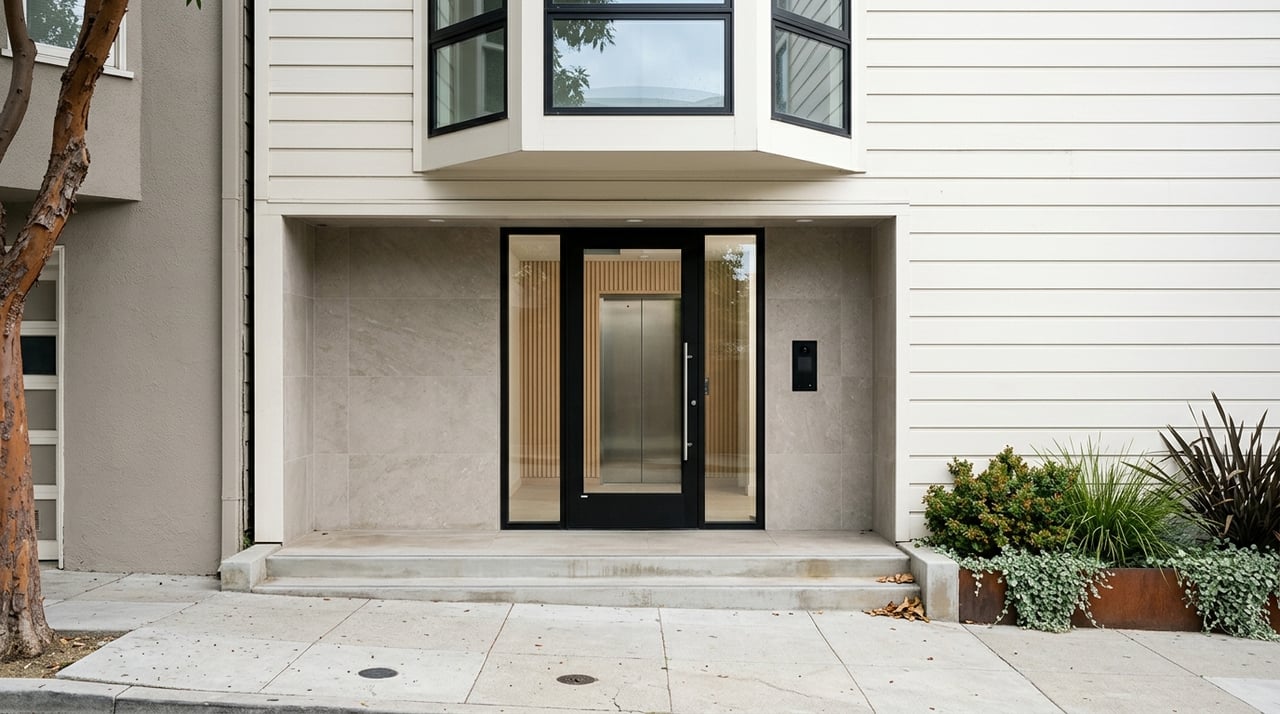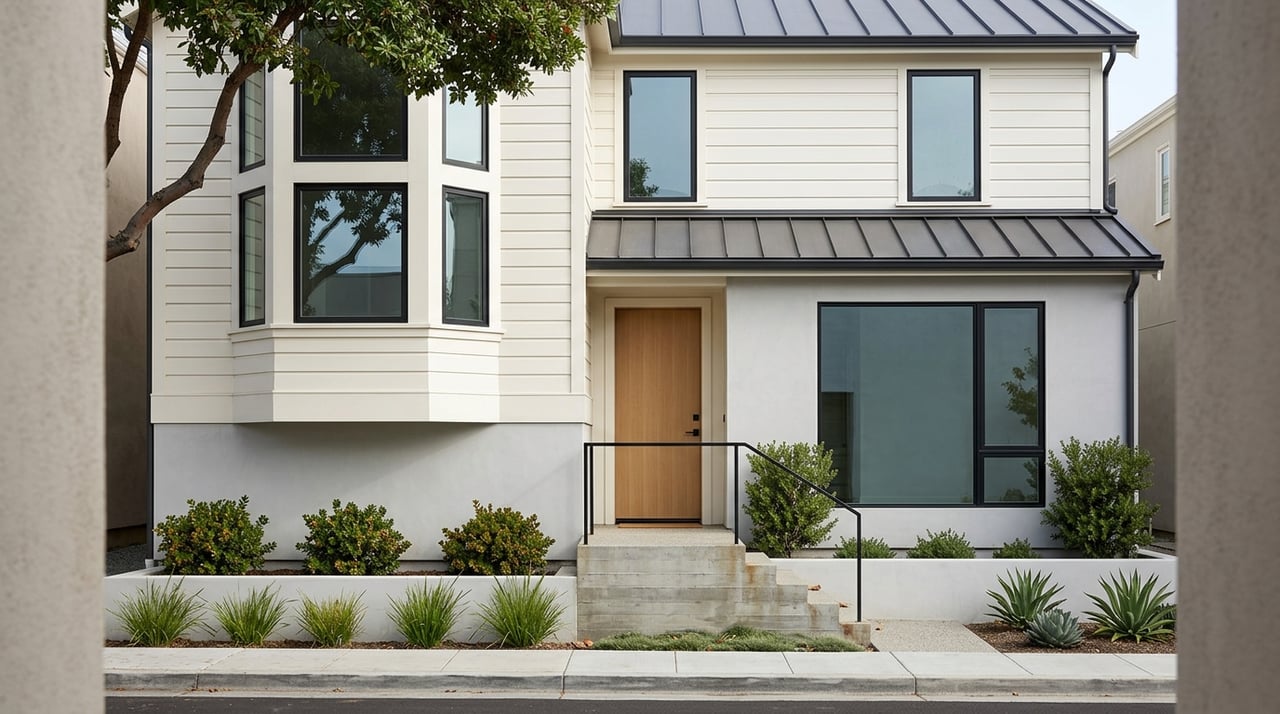
Thinking about trading San Francisco for Marin? The order of your move can shape everything from your offer strength to your stress level. If you are wondering whether to sell your San Francisco home before buying in Marin, the short answer is that it depends on your equity, your cash flow, and how much timing risk you can handle. Let’s break down the tradeoffs so you can make a smart, confident plan.
San Francisco and Marin Market Conditions
Right now, both markets are competitive, but San Francisco is moving faster. Over the three months ending April 2026, San Francisco County homes sold at a median of $1,655,376, with a median 14 days on market and a 115.6% sale-to-list price. During that same period, 70.5% of homes sold above list.
Marin County was also competitive, though not quite as aggressive. Homes sold at a median of $1,580,585, with a median 19 days on market and a 103.9% sale-to-list price, and 54.9% sold above list. In practical terms, that means you may be able to sell faster in San Francisco, but you still need a strong strategy when buying in Marin.
Why Selling First Often Feels Safer
For many homeowners, selling in San Francisco before buying in Marin is the cleaner path. Once your sale closes, you know your exact net proceeds, which can make budgeting and underwriting much easier. You also reduce the chance of carrying two expensive homes at the same time.
This sequence can also strengthen your position when you write offers in Marin. If your San Francisco equity is already converted to cash, you may be able to make a less complicated offer. In a competitive market, that can matter.
Still, sell-first is not perfect. You may need a rent-back, short-term rental, or temporary housing if your Marin purchase does not line up neatly with your San Francisco closing.
When Buying First Can Make Sense
Buying in Marin before selling in San Francisco can work, but it usually asks more from you financially. This approach may make sense if you find a very specific Marin property and do not want to risk losing it while waiting for your San Francisco sale to close. It can also help you avoid a rushed home search after you sell.
The downside is that buy-first often means more liquidity pressure. You may face overlapping mortgage payments, interim property taxes, and a more complex financing setup.
That complexity matters. Fannie Mae guidance says bridge loans are acceptable only when the lender documents that you can carry your current home, the new home, the bridge loan, and your other obligations. In other words, a buy-first strategy is possible, but only if your financial picture supports it.
Bridge Loans and HELOCs Need Careful Review
If you are considering buying first, financing is one of the biggest decision points. Bridge financing can help unlock equity before your San Francisco home sells, but it is not a simple shortcut.
Fannie Mae says bridge loans must not be cross-collateralized against the new property, and your lender must document your ability to carry all related payments. That means your income, reserves, debts, and sale assumptions all need to hold up under review.
A HELOC can also be part of the plan. A HELOC is open-end credit secured by your home equity, but it often comes with variable rates and payment risk. The Consumer Financial Protection Bureau notes that lenders can freeze access if home values fall or your financial situation changes, so this route requires caution.
Proposition 19 Can Change the Math
If you are an eligible California homeowner, Proposition 19 may affect whether buying first is realistic. In California, a normal purchase generally triggers reassessment to current market value, which can raise your property taxes on the replacement home.
For eligible homeowners under Proposition 19, buying the Marin replacement home before selling the San Francisco home is still possible if the original home is sold within two years of the purchase. That can create flexibility in timing, especially for long-time owners who want to transfer their tax base under the rules.
However, there is an important catch. The California State Board of Equalization says you pay property taxes on the full fair market value of the replacement home for the period between purchase and sale, with no refund for that period. The claim is filed after both transactions are complete and after you are living in the replacement home.
That means buy-first may still work for some homeowners, but only if they can absorb the interim tax and mortgage burden. Eligibility is also key, since Proposition 19 portability generally applies to eligible homeowners over 55, severely and permanently disabled homeowners, or certain disaster victims.
Closing Costs Can Affect Your Buying Power
Before you decide on timing, look closely at your net proceeds. In San Francisco, the transfer tax is tiered and currently ranges from 0.5% to 6.0% depending on the consideration. That can materially affect how much cash you have available for your Marin purchase.
Marin County also has a documentary transfer tax of $0.55 per $500 of value, with an additional City of San Rafael tax where applicable. These costs may not decide the whole strategy on their own, but they absolutely belong in your planning.
The Three Questions That Matter Most
If you are trying to decide whether to sell first or buy first, three variables do most of the heavy lifting.
1. How much San Francisco equity do you need?
If you need the proceeds from your San Francisco sale to fund your Marin down payment, selling first is often the more straightforward route. It gives you a clear picture of your available cash and reduces financing uncertainty.
2. Can you comfortably carry overlap?
If you buy first, you need enough financial flexibility to handle overlap. That can include two mortgage payments, higher temporary property taxes, bridge financing costs, or HELOC payments.
3. Are you eligible for Proposition 19?
If you qualify, Proposition 19 may give you more flexibility around timing. If you do not qualify, the property tax impact of buying in Marin may be more immediate and substantial.
A Practical Way to Think About Sequencing
For most homeowners moving from San Francisco to Marin, selling first is usually the lower-risk path. That is not a universal rule, but it is a reasonable conclusion based on current market conditions, lender guidance, and California property tax rules.
Buy-first can make sense when you have substantial liquidity, a reliable financing structure, strong confidence in your San Francisco sale, and a Marin home you do not want to lose. If those pieces are not firmly in place, the risk can rise quickly.
A third option is to try a synchronized close. This can reduce your exposure if both transactions are timed carefully, though in a competitive market, contingent offers are often less attractive than clean offers.
How to Prepare Before You Decide
Before you commit to either path, it helps to line up the numbers and the logistics.
- Estimate your likely San Francisco sale price and net proceeds
- Review your down payment needs for Marin
- Check whether you could carry overlap if your timeline slips
- Ask whether bridge financing or a HELOC is realistic for your situation
- Confirm whether Proposition 19 may apply to you
- Factor in transfer taxes and closing costs on both sides
When these pieces are clear, the right sequence usually becomes easier to see.
If you are weighing a move from San Francisco to Marin, the best first step is not guessing. It is building a plan around your equity, timeline, financing options, and tax considerations so you can move with fewer surprises and more control.
At Now Homes, we help Bay Area clients coordinate the sale and purchase side together, with local market guidance and integrated support designed to keep the process clear and manageable.
FAQs
Should you sell your San Francisco home before buying in Marin?
- For many homeowners, yes. Selling first is often the cleaner and lower-risk option because it clarifies your equity, reduces financing complexity, and lowers the chance of carrying two homes at once.
Is buying in Marin before selling in San Francisco ever a good idea?
- Yes, but usually only if you have substantial liquidity, a workable financing plan, and a strong reason to secure a specific Marin property before your San Francisco home closes.
How does Proposition 19 affect a San Francisco-to-Marin move?
- For eligible homeowners, Proposition 19 may allow a tax-base transfer even if you buy the Marin replacement home before selling the San Francisco home, as long as the original home is sold within two years of the purchase.
What is the biggest financial risk of buying in Marin first?
- The biggest risk is often carrying overlap costs, including mortgage payments, interim property taxes, and financing costs tied to bridge loans or a HELOC.
Do San Francisco transfer taxes matter when planning a move to Marin?
- Yes. San Francisco transfer taxes can materially reduce your net proceeds, which may affect your down payment, cash reserves, and overall buying power for a Marin purchase.